A business does not consume energy in the same way as a home
In commercial premises, offices, workshops or small businesses, consumption times and the types of loads often strongly influence the solar strategy. Before discussing panels, it is worth understanding how the business operates and what it wants to achieve with the installation.
Reducing expenditure during daytime hours is a different objective from preparing the property for more equipment or future heating and cooling.
Roof, consumer unit and room to expand
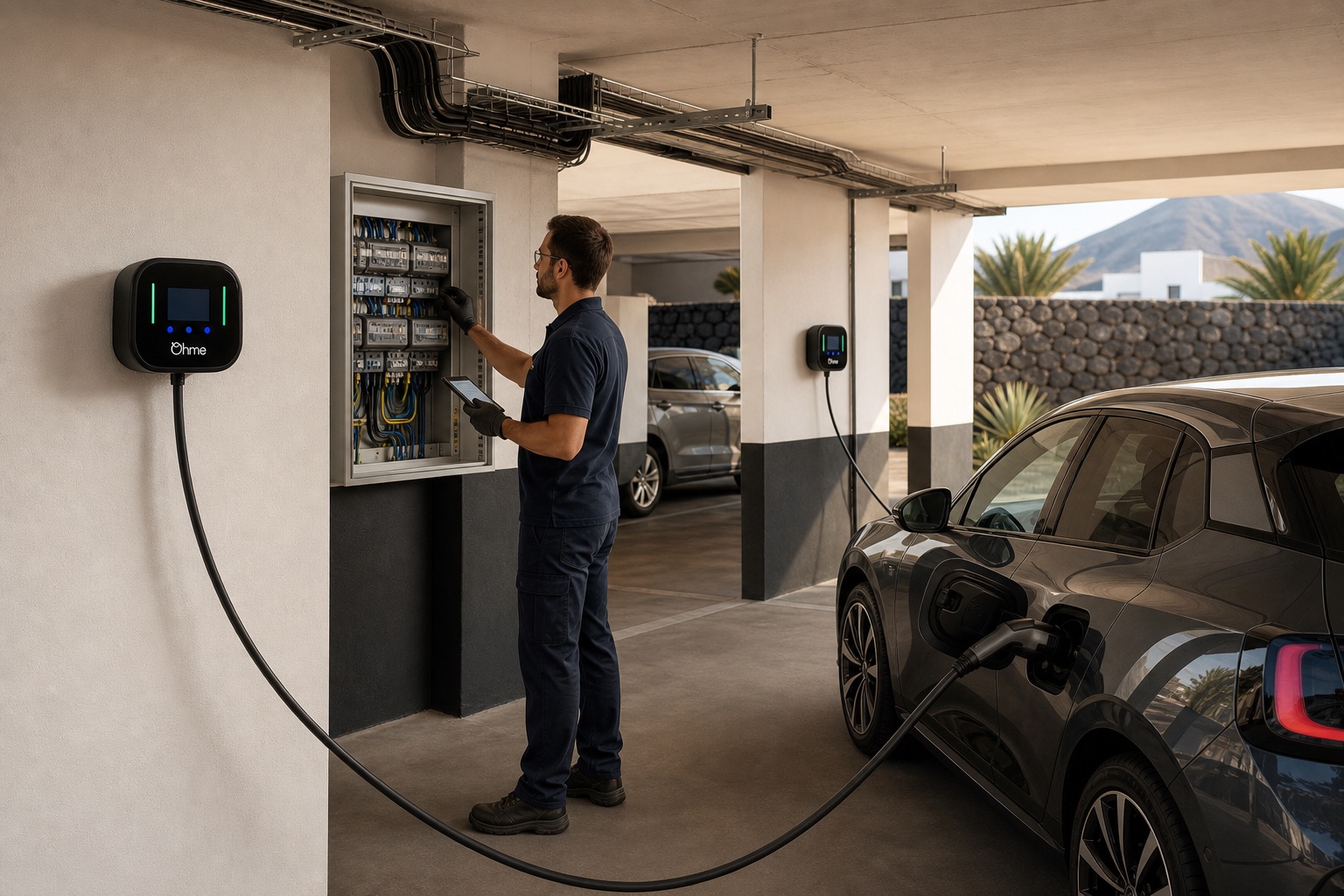
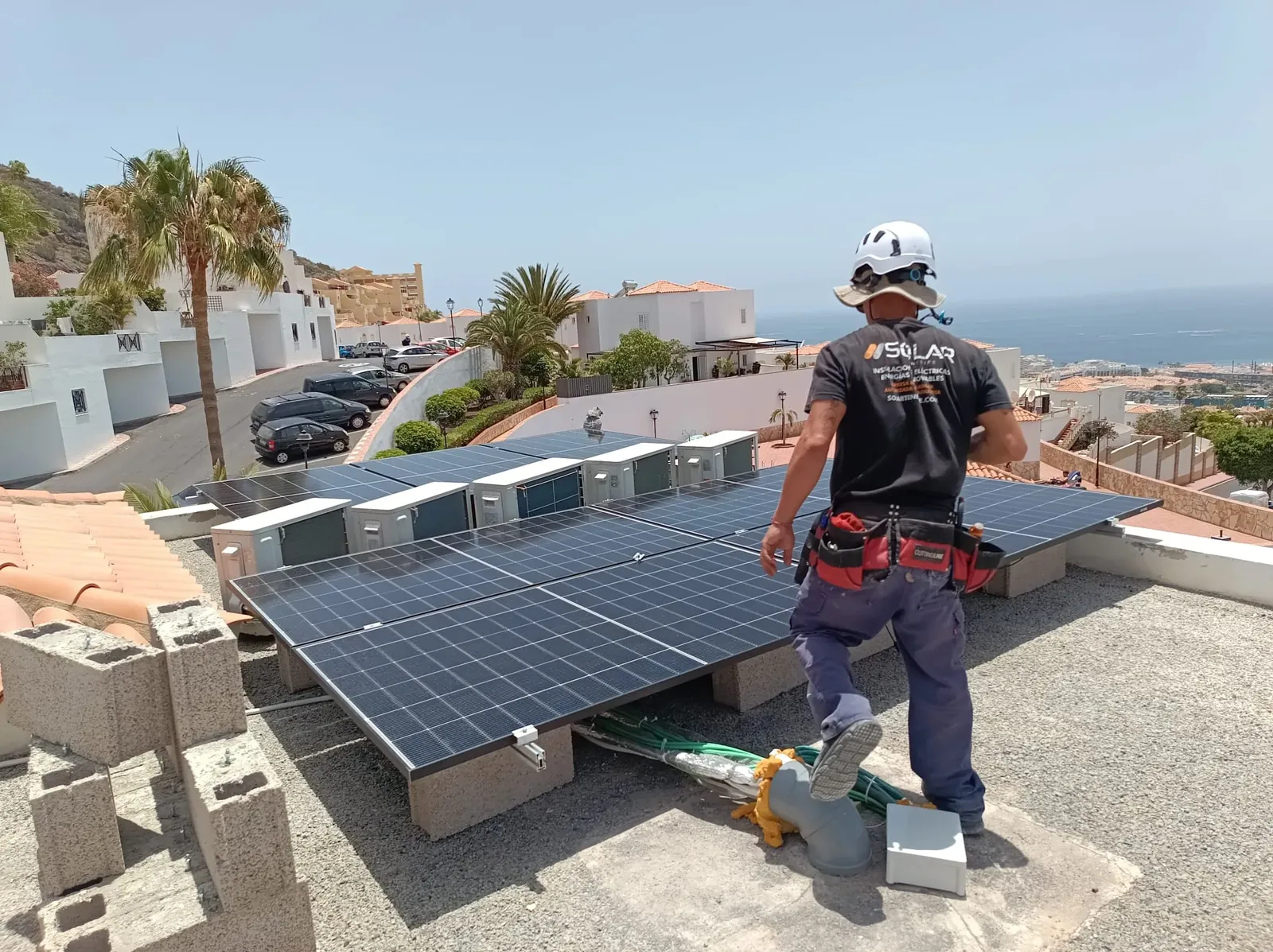
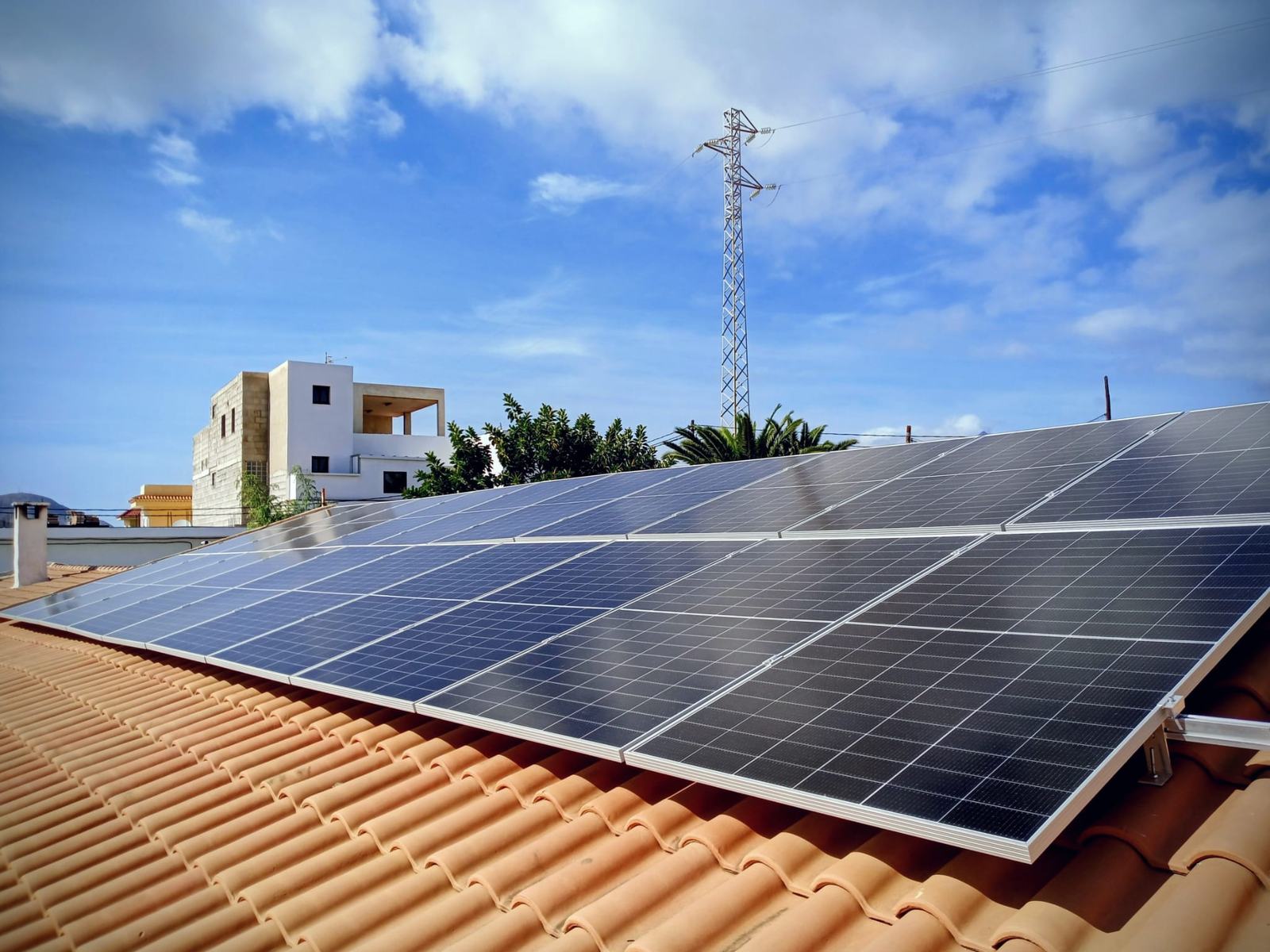
The technical proposal should assess the available area, shading, distance to the distribution board and whether the business may expand or change its activities. This approach avoids having to redo the installation soon afterwards.
It also helps to check whether the premises need electrical upgrades first, so that the solar PV system can be integrated more effectively.
Monitoring and useful readings for the customer
In a business setting, monitoring and clear data become more important. Customers generally want to understand what the system produces and how it fits into the business's consumption.
The clearer this information is, the easier it is to assess actual performance and make future decisions.
Thinking ahead improves the project
Allowing reasonable scope for new loads, schedules or expansion usually produces better results than pursuing a fixed solution solely for immediate needs.
Frequently asked questions
Do solar panels make sense for small businesses?
Yes, often. It depends on usage times, consumption and the property.
Does the electrical installation need checking first?
In many cases, yes, especially if the premises are older or new loads are anticipated.
Can you assess an expandable installation?
Yes. It is one of the keys to ensuring the project continues to make sense over time.