The battery should match actual consumption
Storage makes sense when surplus solar energy can be used later, or when the aim is to reduce grid consumption during certain time periods. Sizing it requires an assessment of how much energy the home consumes after sunset and which loads need to be covered.
Choosing capacity solely by the number of panels can result in a battery that is too large or too small. The hourly usage profile, load power and scope for expansion are much more useful when making the decision.
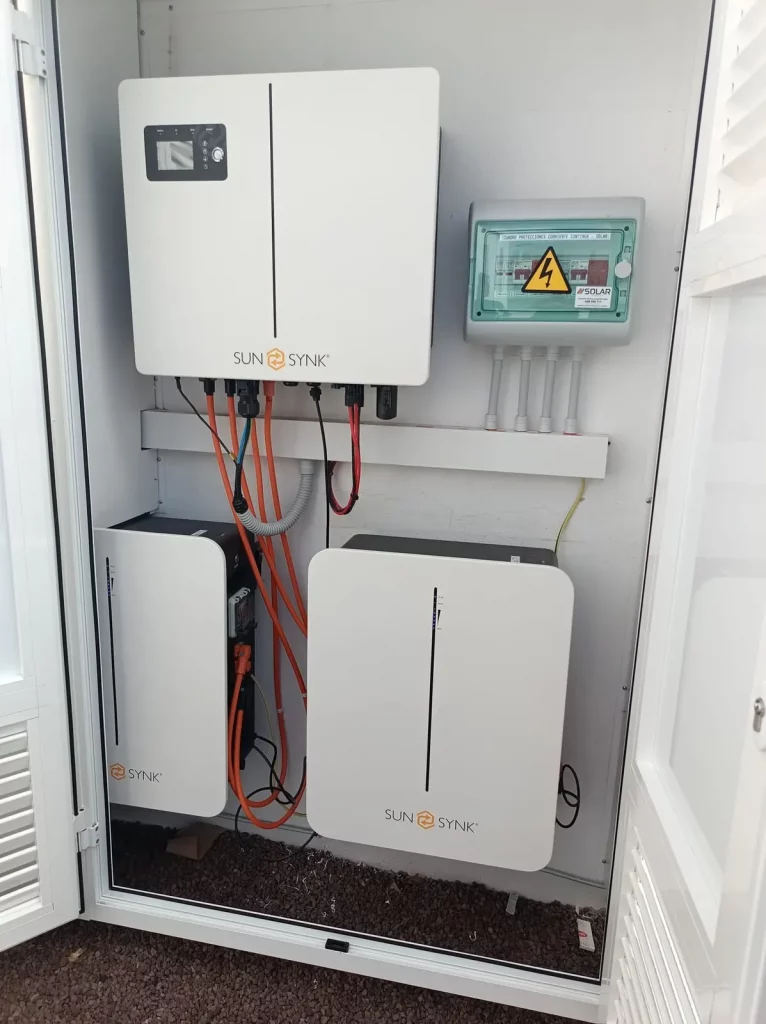
Hybrid inverter, batteries and protection devices
The hybrid inverter coordinates energy from the panels, battery, home and grid. Equipment compatibility, operating voltages and the configuration specified by the manufacturer are essential for the system to work correctly.
The batteries and inverter need suitable protection devices, isolation, cabling and earthing. Clear separation between DC and AC circuits must also be maintained, with visible labelling and sufficient access for inspection.
Equipment location and conditions
The location must meet the manufacturer's requirements and protect the equipment from extreme temperatures, moisture, impact and unnecessary exposure. It must also allow ventilation, indicator readings and maintenance without complicated dismantling.
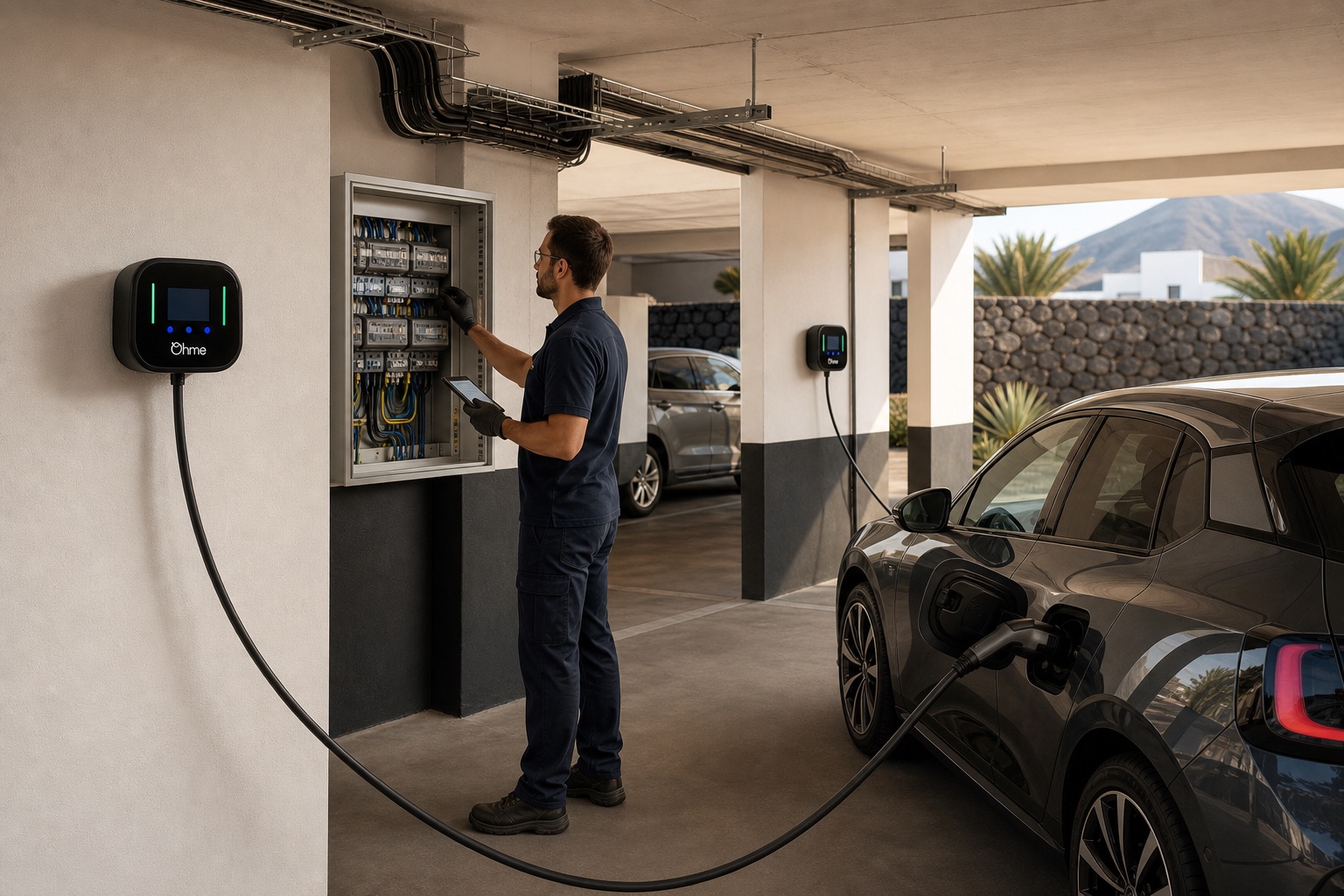
A well-organised cabinet or technical space helps keep cable runs short, protection devices accessible and the overall arrangement safer. Equipment should not be enclosed without first checking its thermal requirements and installation clearances.
A battery does not automatically provide backup
Having a battery does not, on its own, guarantee that the home will remain powered during a grid outage. Providing backup requires that function to be designed, the loads to be maintained to be selected, and the appropriate switching and protective components to be configured.
Commissioning must test the intended operating modes and set charging limits, reserves and priorities to suit how the home is used. Monitoring then helps fine-tune the system using real data.
Frequently asked questions
Can I add batteries to an existing solar installation?
In many cases, yes, but inverter compatibility, voltages, protection, available space and configuration must be checked.
How much battery capacity do I need?
It must be calculated using hourly consumption, available surplus energy and the loads you want to cover, rather than panel power alone.
Does the battery power the whole home during a power cut?
Only if the installation has been designed and configured for backup. It is common to select priority loads rather than supply the whole home.