Ohme Pro, V2C Trydan, Orbis Viaris and Veltium Lite

Configure your charger and get a 15% discount when buying online.

Calculate my price →
EV chargers in Tenerife

Electric Car Chargers Tenerife

Electric car charger installation in Tenerife.

We install electric vehicle chargers in Tenerife for detached homes, communal garages, businesses and fleets, with a technical assessment, dedicated protective devices, configuration and tidy workmanship from start to finish.

We cover all of Tenerife 608 206 111
Service

Electric car chargers in Tenerife with a clearly explained, safe and carefully completed installation.

  • Registered installation company
  • Service throughout Tenerife
  • Clear, professional service
  • A clean, carefully finished installation
Charger models

Technical specification sheets for the EV chargers we work with

Explore each model, check its specifications and use the calculator to estimate installation costs according to distance and property type.

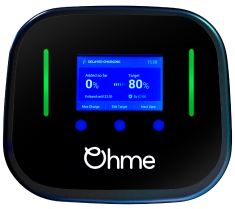
Ohme Home Pro 7,4 kW
Smart charger

Ohme Home Pro 7,4 kW

7,4 kW single-phase charger with an integrated Type 2 cable, LCD display, app control and smart charging functions for homes and garages.

  • 7,4 kW single-phase (32 A)
  • Integrated 5-metre Type 2 cable
  • App control, LCD screen and buttons
  • Smart charging compatible with solar energy
Orbis Viaris ISI 7,4 kW
Robust charger

Orbis Viaris ISI 7,4 kW

A 7,4 kW single-phase charging point designed for homes, residential communities and settings that call for a robust, connected and highly reliable solution.

  • 7,4 kW single-phase (32 A)
  • Integrated 5-metre Type 2 cable
  • Mode 3 under EN 61851-1
  • e-VIARIS app and scheduled charging
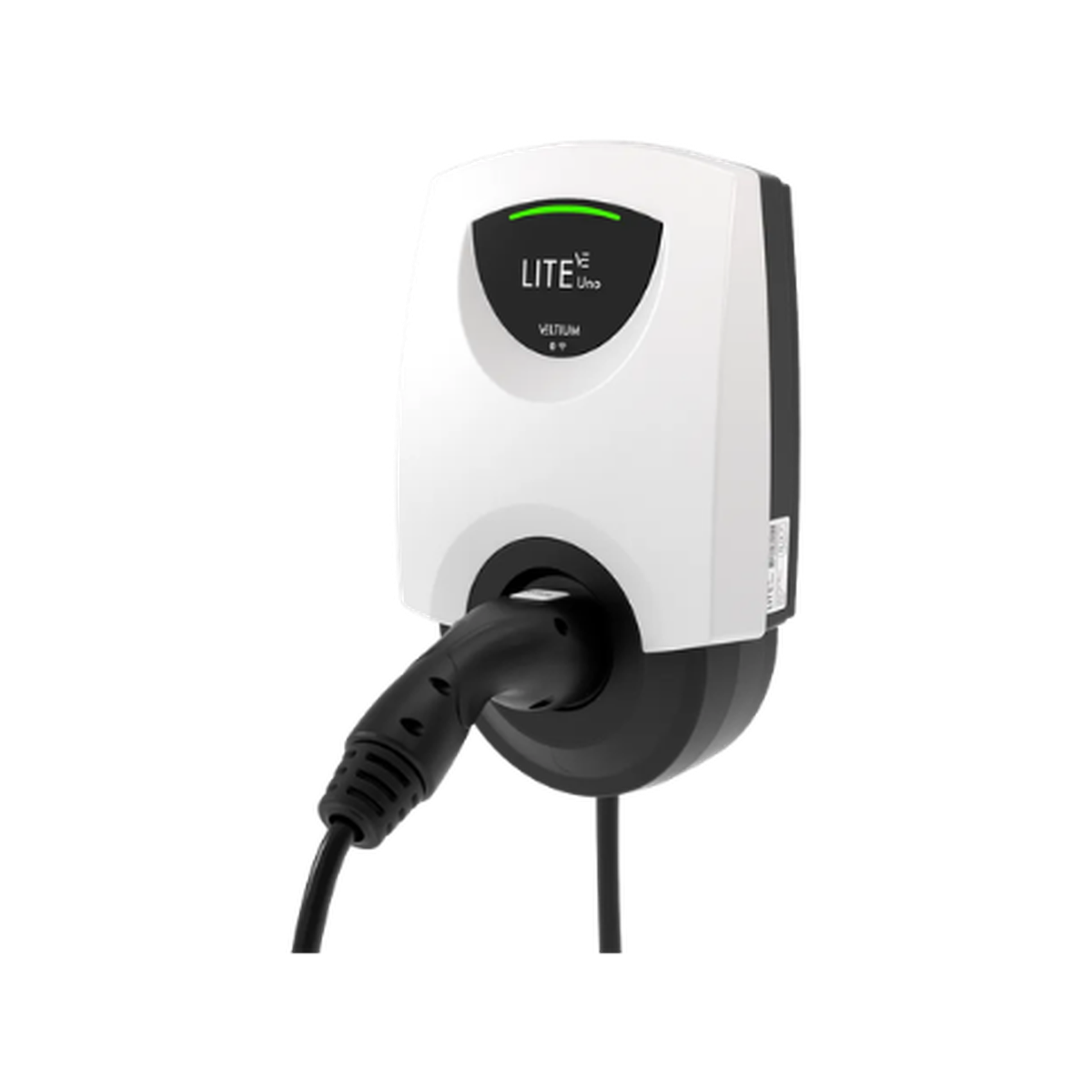
Veltium Lite UNO 7,4 kW
Connected charger

Veltium Lite UNO 7,4 kW

A 7,4 kW single-phase charger that is an attractive, more cost-effective option for home use and daily charging, with scheduling, app control and compatibility with dynamic load management and solar charging.

  • 7,4 kW single-phase (32 A)
  • Control via the VELTIUM App
  • Charging schedules and internal metering
  • Solar integration and dynamic power control
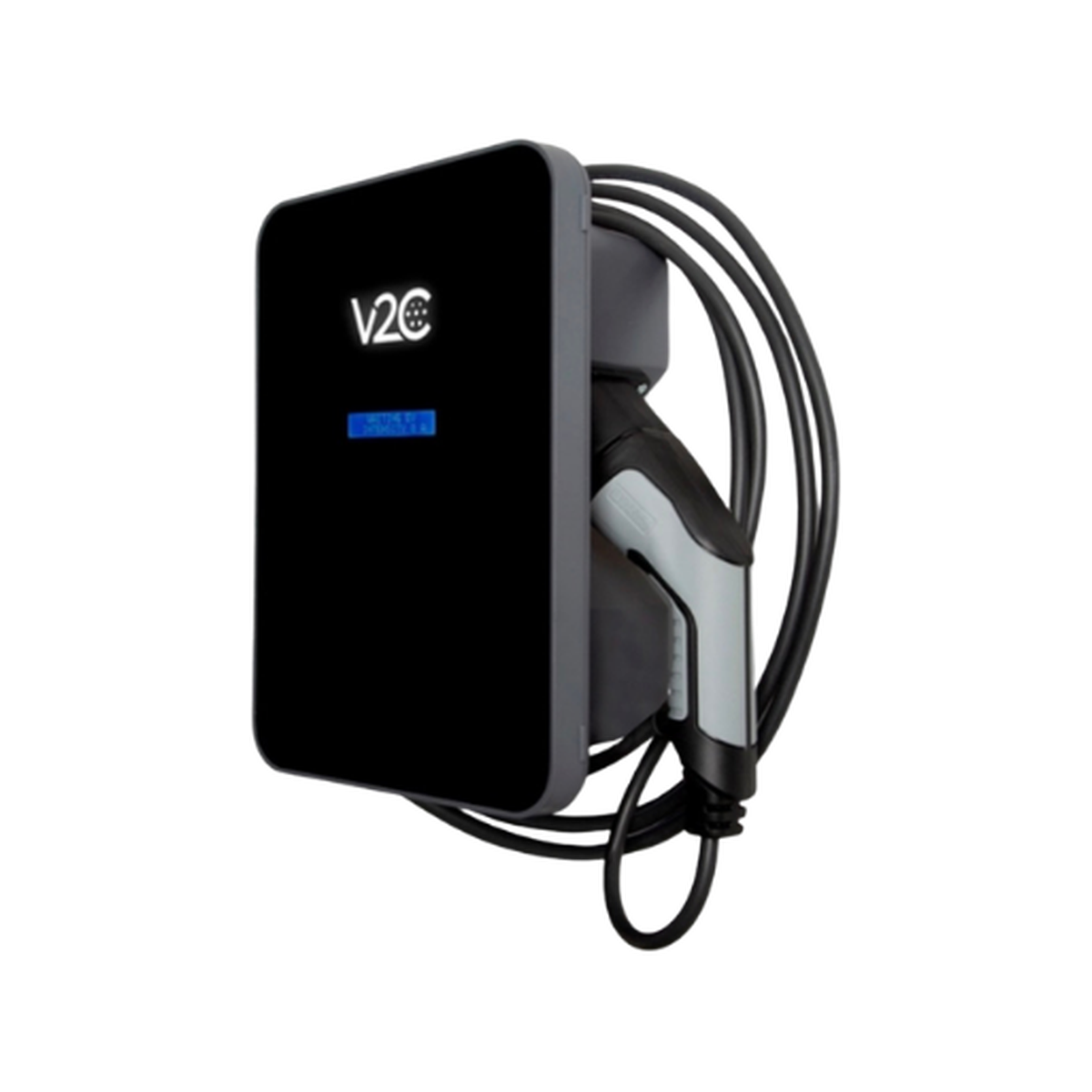
V2C Trydan 7,4 kW
Advanced charger

V2C Trydan 7,4 kW

A 7,4 kW single-phase smart charger designed as a premium option for homes and connected charging, with a display, app, dynamic load control and a distinctive design.

  • Up to 7,4 kW single-phase (32 A)
  • 2,6” display and RGB lighting
  • V2C Cloud app, Wi‑Fi and Bluetooth
  • Dynamic load management and solar integration
Benefits

Electric car chargers in Tenerife with a clearly explained, safe and carefully completed installation.

01

The right solution for your situation

We do not approach a single-family home in the same way as a space in a shared garage or a charging point for a business. We adapt the power rating, cable route and charger type to actual use.

02

Safe, tidy installation

We install the circuit, protection devices, distribution board and cable containment so that the whole installation is tidy, compliant and ready for everyday use, with nothing improvised.

03

Designed to work with your energy

Where it makes sense, we prepare the installation for smart management, more than one vehicle or future integration with solar panels.

About the service

We provide clear, useful information

A well-planned charging point begins with understanding how you will use it

Installing a charger involves more than hanging a device on the wall. What matters is deciding which power rating makes sense, how the circuit is supplied, which cable route the installation needs and how you will use it each week. Charging overnight at a single-family home is different from serving a parking space in a shared garage or preparing several charging points for a business.

At Solar Tenerife, we assess each case to make sure the result is convenient, safe and compatible with the existing installation. The aim is for the customer to understand what is proposed, what the limitations are and how much scope there is for future expansion.

What we usually check before preparing a quote

  • Property type and exact charger location
  • Distance from the consumer unit or meter to the parking space or installation wall
  • Available power and whether the contracted capacity should be adjusted
  • Required protection devices and condition of the distribution board
  • Vehicle type, charging habits and expected number of cars
  • Dynamic power control and scheduling options
  • Possible future integration with solar energy or a battery

Home, apartment building or business: each situation calls for a different solution

In a single-family home, the usual priorities are everyday convenience and a tidy installation that is easy to use and ready to operate alongside other household loads. In a shared garage, the key is often to plan the cable route properly, provide clear documentation and choose a charger suited to actual use. For a business or fleet, robustness, scalability and consumption management also matter.

What distinguishes a professional installation from an improvised solution

The difference is noticeable in safety, finish and everyday use. A properly installed charging point does not look like a makeshift addition: it integrates well, operates reliably and lets you charge your vehicle with peace of mind. It also leaves the property better prepared for the future, particularly if you later plan to combine it with solar panels or add another electric car.

A clear quote is worth more than a quick figure

Before comparing prices, it is worth understanding what each proposal includes: charger, protection devices, supply circuit, cable containment, configuration, commissioning and any power adjustments. When this is explained clearly, it is easier to make an informed decision rather than focusing only on the final price.

Manufacturers

Brands we work with

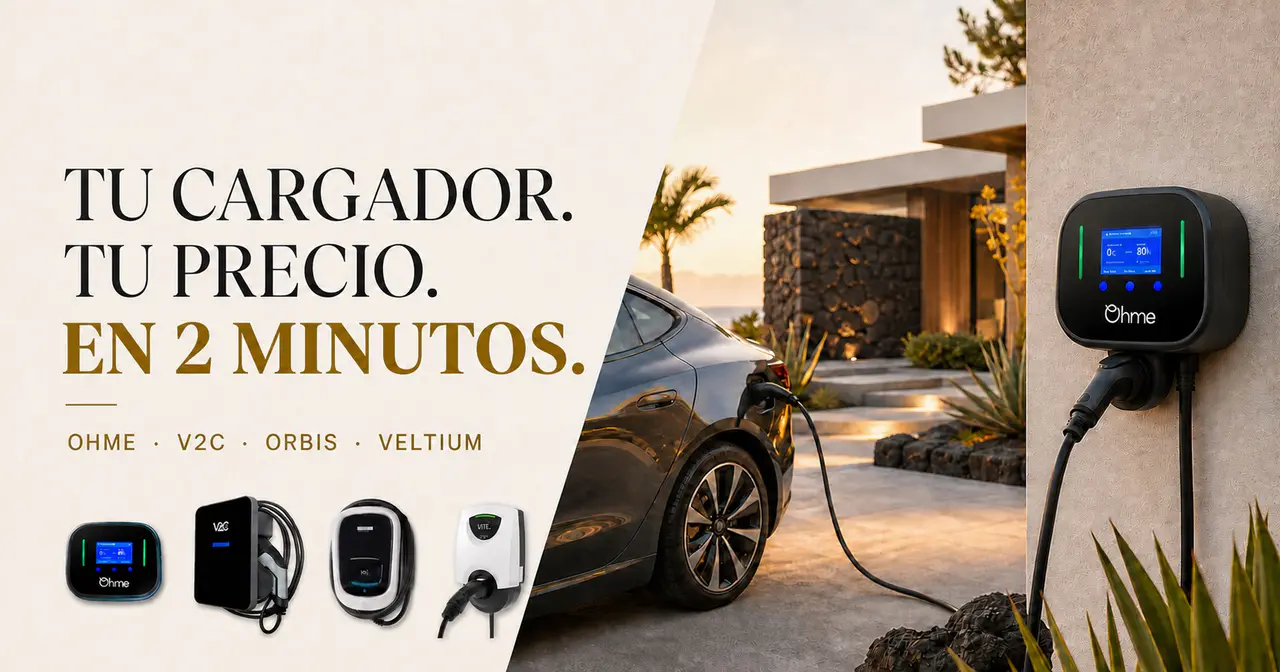
We install charging points from manufacturers recognised for their reliability, compatibility and day-to-day ease of use.

Ohme
Orbis
Veltium
V2C
Process

How we work to deliver a technically sound, tidy and professional result.

Step 01 01

Charging point inspection

We assess the property type, cable route, distance, distribution board and intended use to define a realistic solution.

Step 02 02

Clear EV charging proposal

We explain the charger, power rating and protection devices simply, making the decision straightforward for you.

Step 03 03

Installation and configuration

We install the circuit, containment, protection devices and equipment with a tidy finish and careful commissioning.

Step 04 04

Testing and handover

We check operation and charging settings, and explain how to use the system with confidence.

We answer your questions

Frequently asked questions about electric car chargers in Tenerife

Price, power, communal garages and solar charging: open each question to find the information you need before installing your charging point.

How much does it cost to install an electric vehicle charger in Tenerife?

The price depends on the model, power rating, distance from the consumer unit or meter, cable containment and the condition of the installation. The configurator on this page gives you an estimate for your situation. Before ordering, check the scope of the quote and the applicable IGIC; any adaptations or additional building work must be itemised.

What does the charging point installation include?

Our proposal includes the selected charger, the circuit and protective devices specified in the quotation, installation, configuration, functional checks and the required registration and certification. The cable route, containment, mounting and any additional work are specified for your property before the installation is confirmed.

Which charger suits me: Ohme, V2C, Orbis or Veltium?

We work with all four brands. The choice depends on the AC charging power your car supports, supply type, cable length and the functions you need: scheduling, mobile management, dynamic load management or solar charging. We compare the specific model and its compatibility with your installation to recommend a suitable option.

Do I need a 7,4 kW, 11 kW or 22 kW charger?

It depends on the vehicle and the available supply. 7,4 kW units generally use a single-phase supply; 11 and 22 kW units use three-phase. Actual power is limited by what the car, charger and installation can support. A 22 kW charger will not make a car that accepts 7,4 kW on alternating current charge at 22 kW. We also review your daily mileage and parking time.

Do I need to increase my contracted power capacity?

Not always. With a compatible, correctly installed dynamic control system, the charger adjusts its charging power according to consumption elsewhere in the home or business. This may allow you to retain your contracted power, although charging will be slower when other loads are high. We assess your supply and needs before recommending an increase.

Can I install a charger in my parking space in a shared garage?

Yes. For a private charging point in an individual space in the building’s car park, Article 17.5 of the Horizontal Property Act requires prior notification to the owners’ association, without an approval vote. The interested parties pay for the installation and its consumption. We recommend keeping a written record and coordinating the cable route and access with the property administrator. Shared installations require their specific circumstances to be assessed.

Read Article 17.5 in the BOE

Can I charge my car with my solar panels?

Yes, if the charger and metering or communication system are compatible with the solar PV installation. Depending on the equipment and configuration, you can use surplus solar energy or combine solar and grid power. We check the inverter, metering and batteries, if you have them. Charging only from surplus solar requires sufficient generation and the vehicle to be connected at that time.

View solar energy installations in Tenerife

How long does the car take to charge?

It depends on the energy you want to replenish and the actual charging power. As a guide, adding 30 kWh at a constant 7,4 kW takes around 4,1 hours before accounting for losses and possible power reductions. Temperature, vehicle limits and dynamic load management can extend that time. You do not always need to charge the battery from 0 to 100 %.

Which regulations and documentation does the installation require?

The installation must comply with the Spanish Low Voltage Electrotechnical Regulations and ITC-BT-52. An authorised installation company must define the arrangement, size the circuit and protective devices, carry out checks and issue the installation certificate. Depending on the project, a technical report, a formal design or an inspection may be required. At handover, we review the applicable documentation and procedures.

See which documents and checks you should receive

What information do you need to prepare a quote?

It helps us to know the municipality, property type, car model, contracted power and approximate distance from the distribution board or meter to the parking space. Please also indicate whether there is pre-installed infrastructure, whether the charger will be wall-mounted or on a pedestal, and whether you have solar panels. With this information, we assess the scope and whether a technical visit is needed.

To find out more, see our ITC-BT-52 installation layouts guide and the official text of ITC-BT-52.

Trust and industry affiliations

Associations we belong to

Solar Tenerife

Tell us where you would like to install your charger and we will guide you with a clear, safe and well-planned proposal.

We work throughout Tenerife on charging installations for homes, shared garages, businesses and fleets, taking care over both the technical work and the final finish.

Contact
Let's talk about your installation

We advise you based on your consumption, roof and the purpose of the installation.

Call WhatsApp Quote