Charger power does not depend on the equipment alone
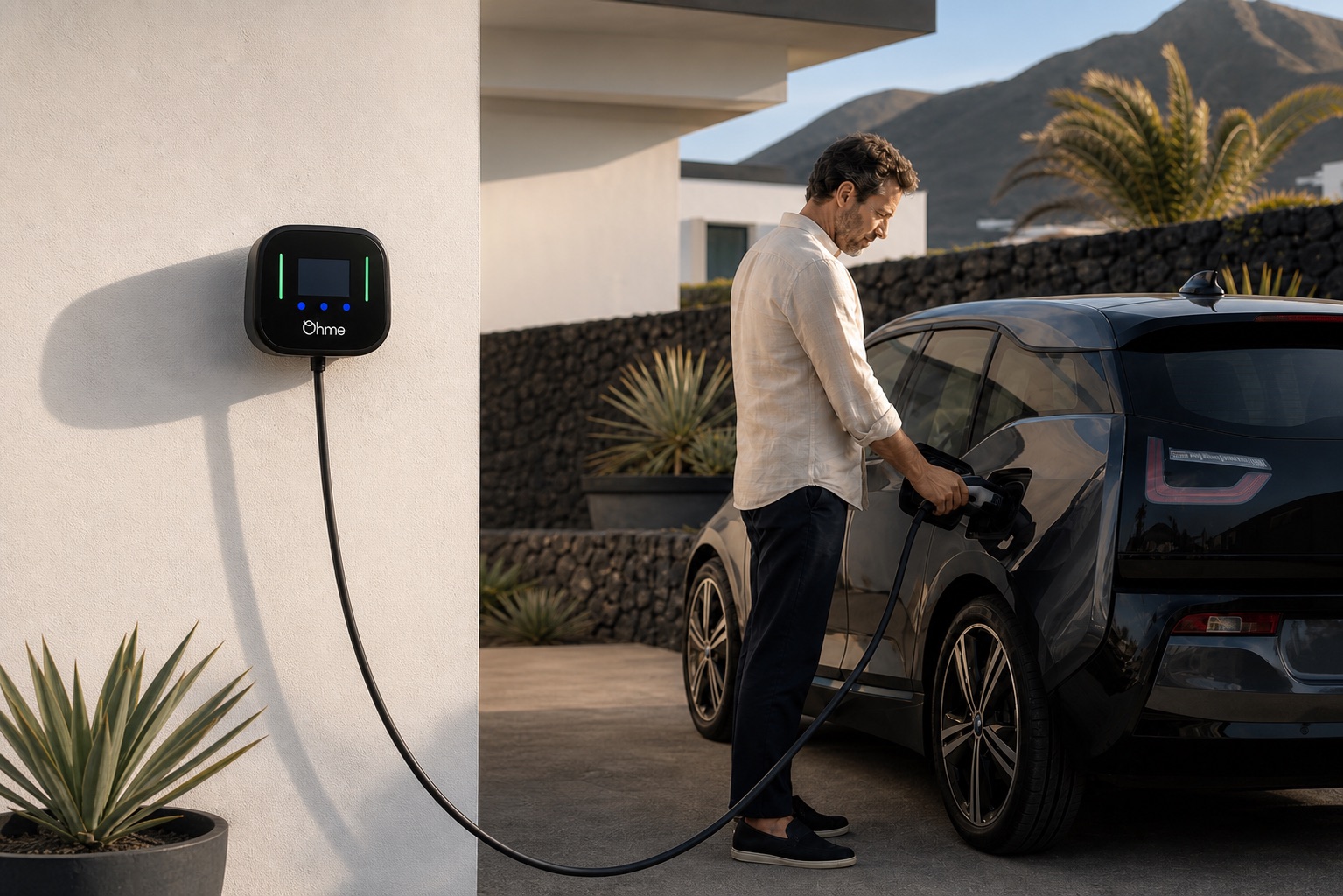
Although many home chargers operate at around 7,4 kW on a single-phase supply, the actual usable power also depends on the vehicle, the electrical installation and the power available in the home.
That is why the charger should not be chosen solely on the basis of a figure. The whole installation needs to be assessed.
When dynamic power management pays off
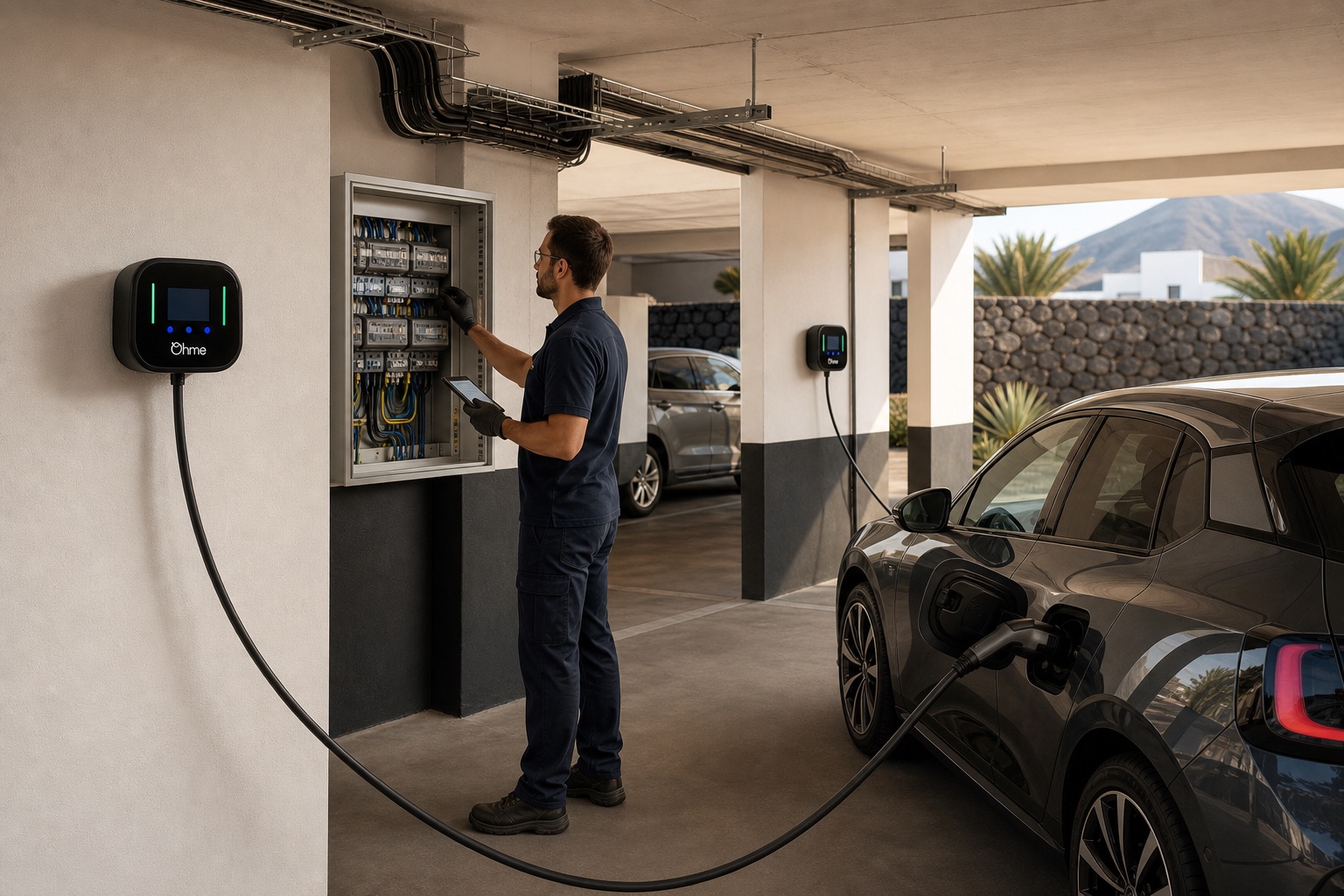
Dynamic load management is particularly useful when several household loads run at once, such as cooking appliances, a water heater, air conditioning or a pool pump. It helps you charge with greater peace of mind without unnecessarily increasing contracted power.
It also greatly improves day-to-day use in homes with varying consumption patterns.
Charging schedules and actual vehicle use
If the car is parked at home for many hours overnight, there is often no need to aim for maximum charging power at all times. What matters is meeting everyday needs conveniently, reliably and safely.
Scheduling charging and adapting the system to the user’s actual routine usually produces better results than focusing solely on the fastest possible charge.
Prepare your home today for tomorrow
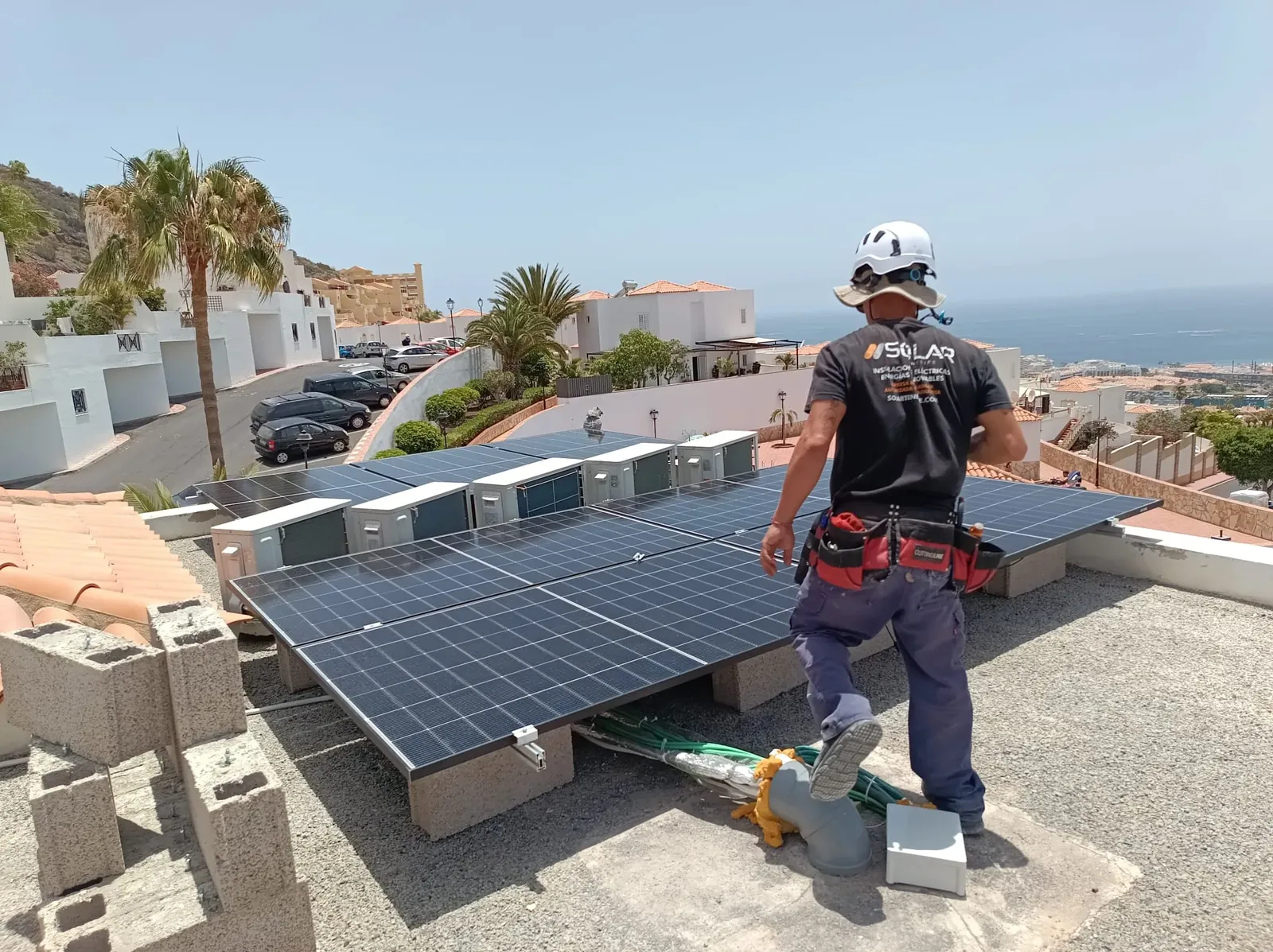
Even if car usage is currently moderate, it may be a good idea to prepare the installation for increased future use or solar power integration. This avoids having to renovate twice and improves the system's service life.
Frequently asked questions
Is a 7,4 kW charger suitable for most homes?
In many cases, yes, but the particular installation and vehicle should always be checked.
Do I need to increase the contracted power capacity?
Not always. It depends on the installation and whether dynamic load management is planned.
Can it be combined with solar panels?
Yes. There are models and configurations designed to make better use of the available energy.