Actual consumption matters more than trends
A solar installation makes more sense when it is adapted to the family's lifestyle and the home's consumption. Before discussing the number of panels, it is worth reviewing habits, appliances, heating and cooling, the water heater, electric vehicle and consumption times.
This allows a more coherent system to be planned, avoiding both insufficient capacity and unnecessary oversizing.
What to check on the roof and around it
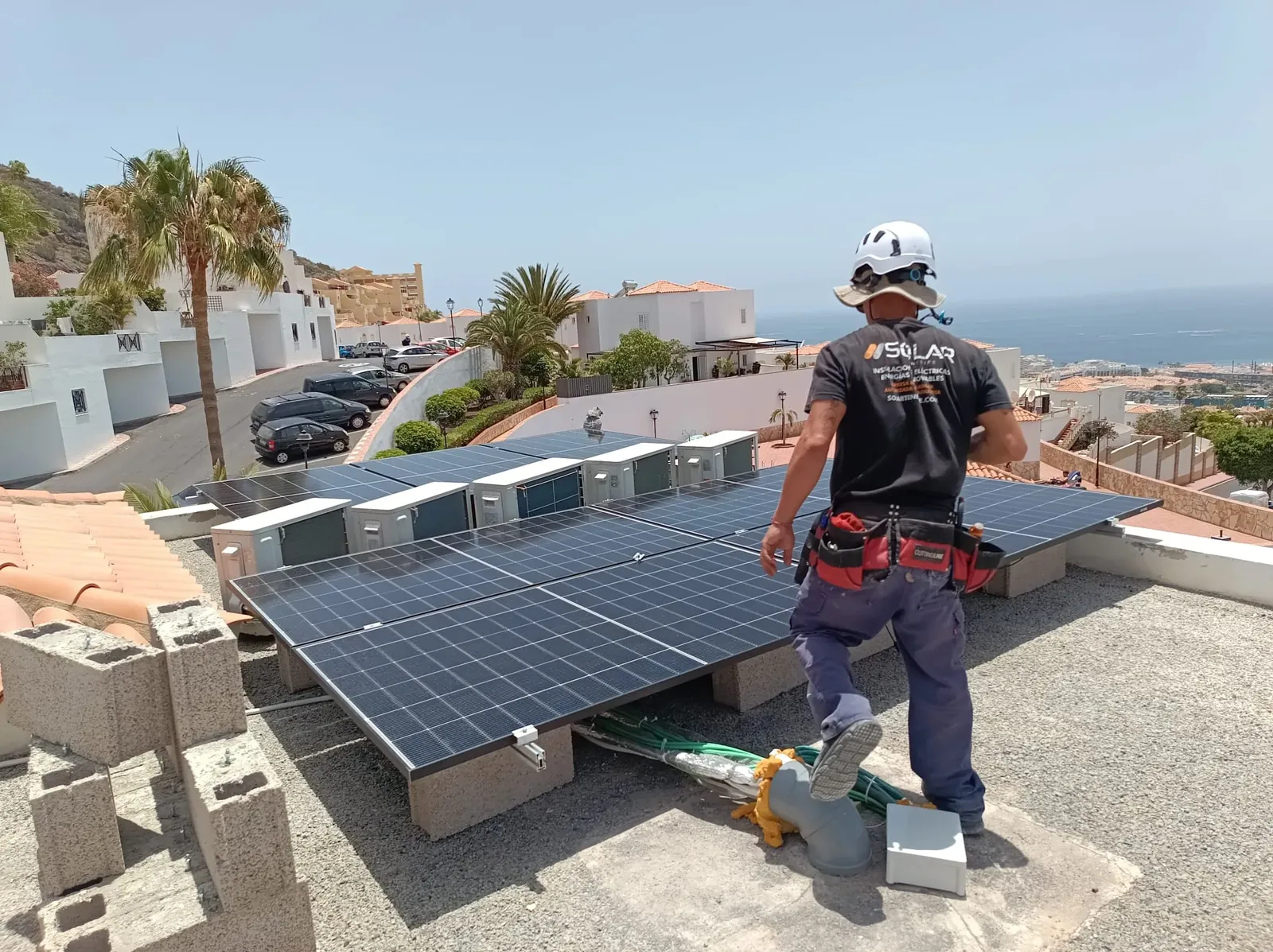
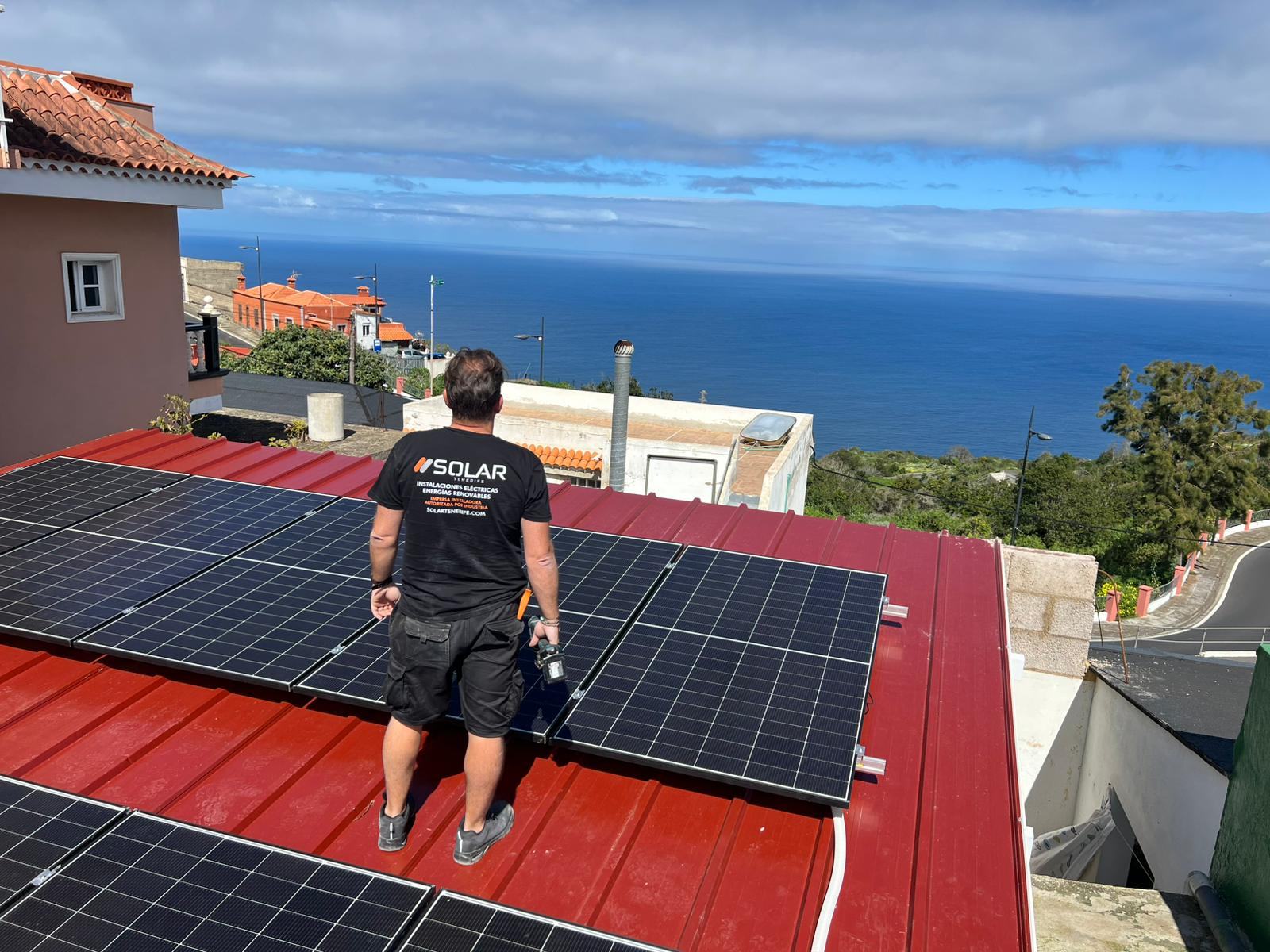
Orientation, available space, shading, roof condition and the cable route to the consumer unit or inverter have a substantial influence on the final proposal. A good installation depends on how the whole system is integrated, as well as the panels selected.
Whether a very discreet visual solution is wanted, or future home extensions are planned, also makes a difference.
Battery or no battery: when it makes sense to consider one
Not every home needs a battery from the outset. In some cases, it is worth starting with a well-planned installation and preparing for possible expansion later.
The decision depends on consumption times, habits, autonomy goals and the available budget.
What should give you confidence when requesting a quote
A clear proposal should explain the approximate power, inverter model, possible battery, installation criteria and what is included. The better the scope is understood, the easier it is to compare offers and make a considered decision.
Frequently asked questions
Do you always need lots of panels to see savings?
No. What matters is matching the installation carefully to consumption and the available space.
Can a battery be added later?
Often, yes, if the installation is designed with that possible expansion in mind.
Do you also work with second homes or holiday lets?
Yes. In these cases, it is particularly important to adapt the solution to the property's actual use.