The roof determines much of the project
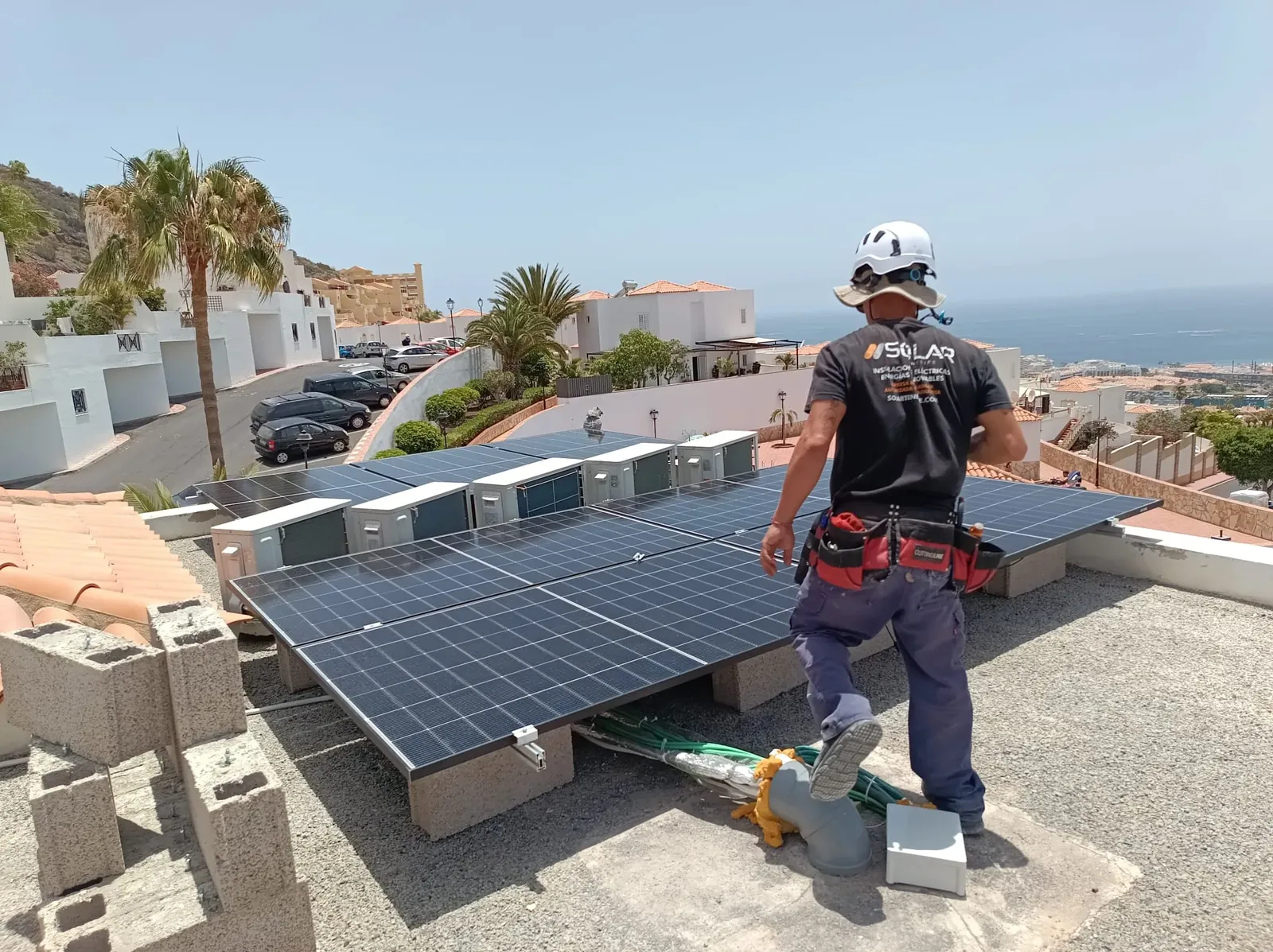
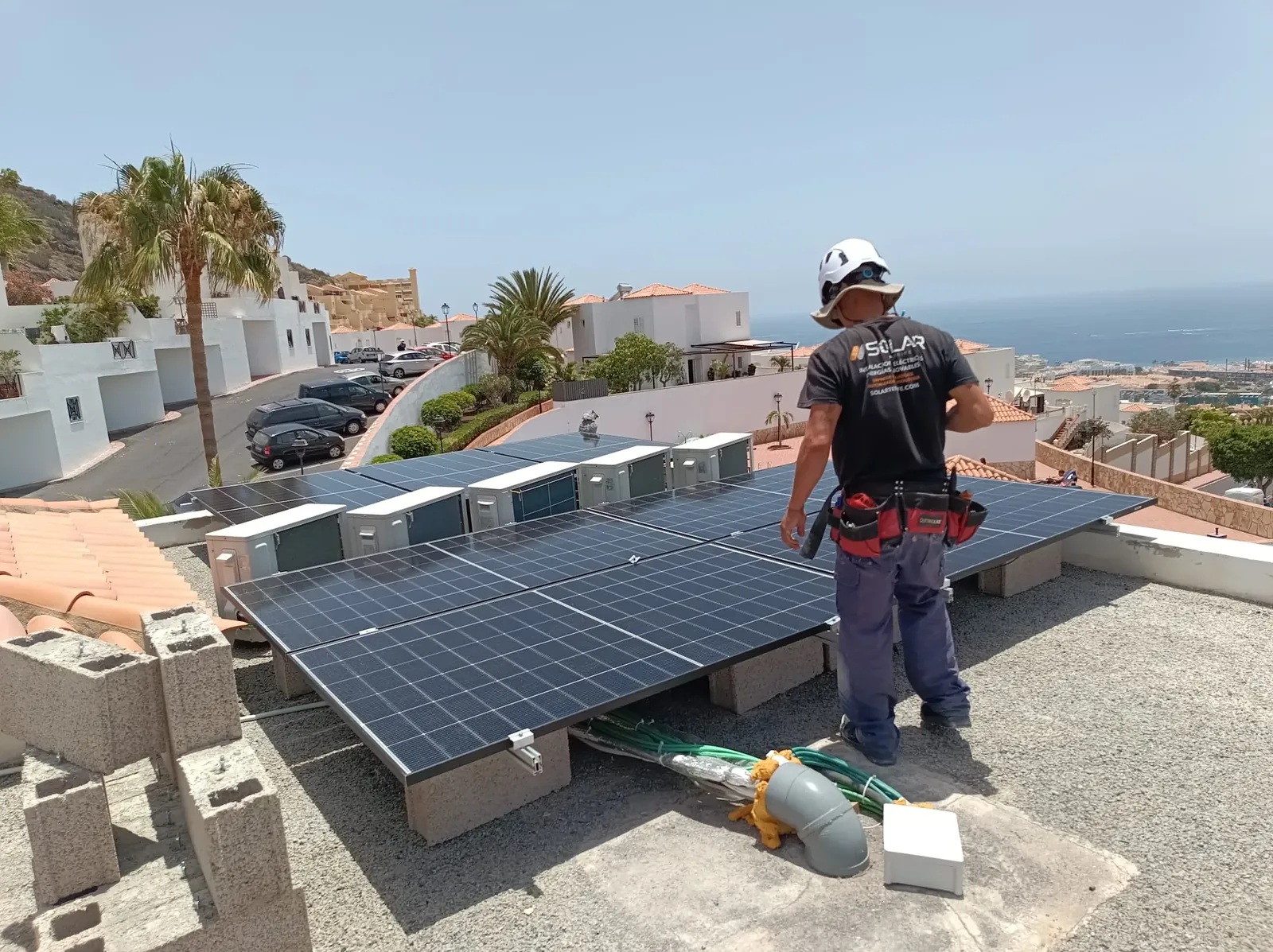
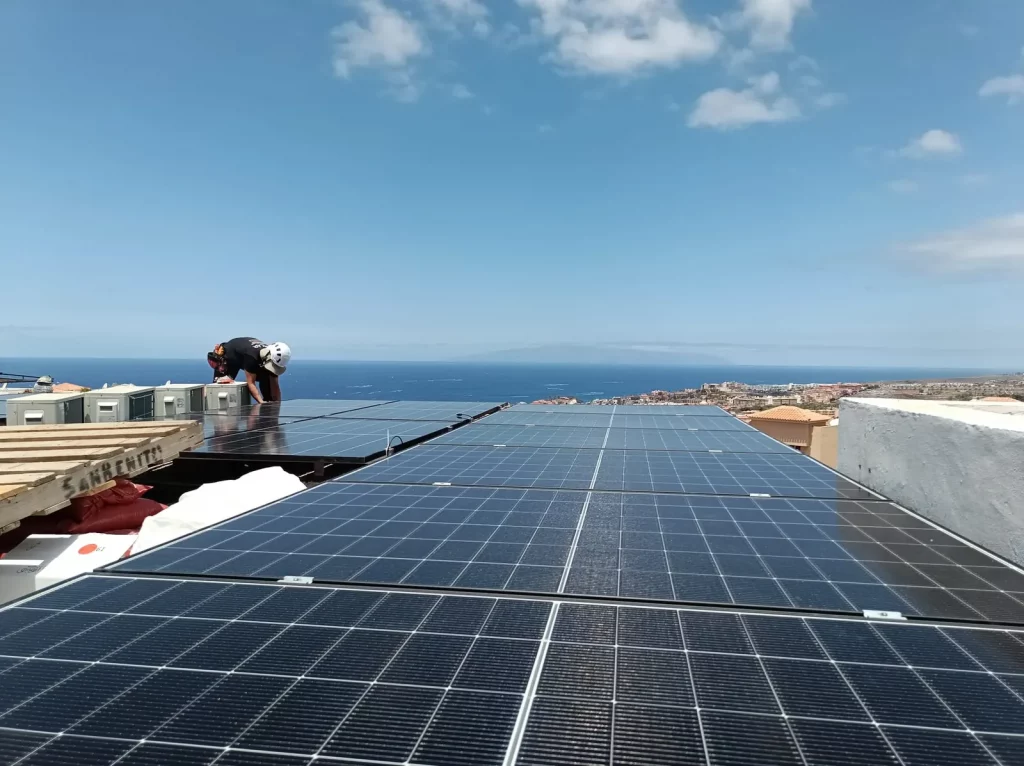
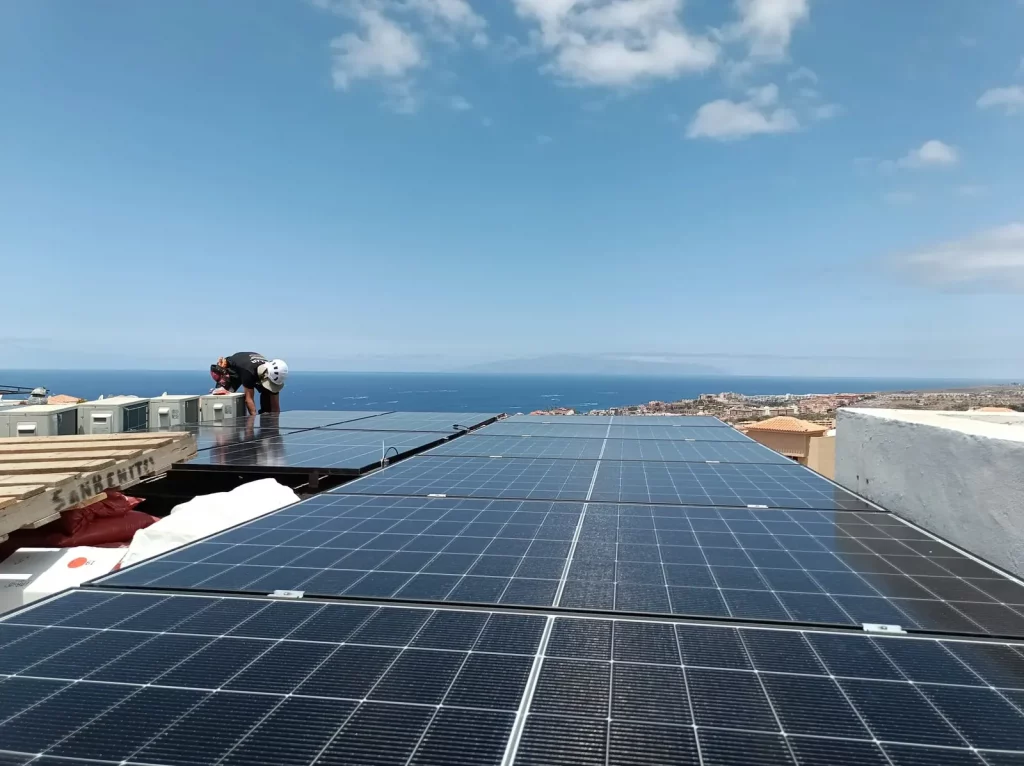
A residential installation starts with an assessment of the available area, orientation, tilt, shading and roof condition. Chimneys, parapets, air conditioning equipment and access routes can affect both generation and how the work can be carried out safely.
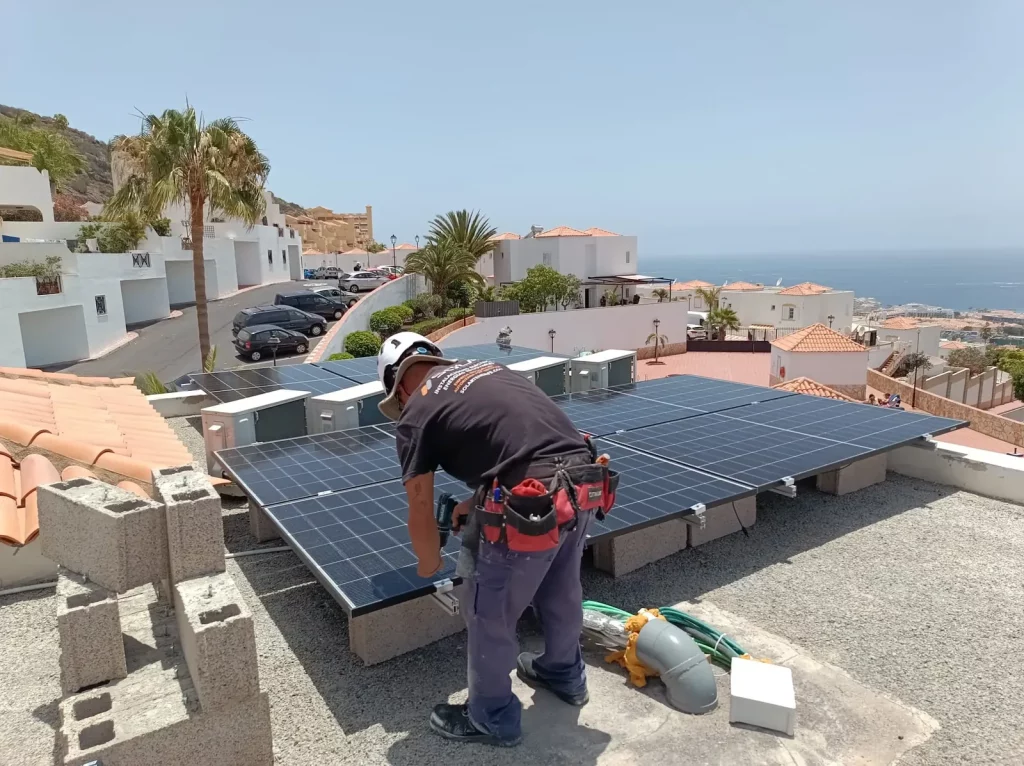
The aim is not to fill every centimetre, but to arrange the modules for good production, allow maintenance and respect the building’s features. On flat roofs, the structure, wind and most suitable fixing system are also assessed.
Size the system according to consumption, not just available space
Having room for many panels does not mean they should all be installed. Bills, consumption times and planned changes to the home should be reviewed, such as air conditioning, a swimming pool, an electric water heater or an electric vehicle.
These details are used to define an appropriate power rating and decide whether it is worth orienting part of the system to suit different times of day. Realistic sizing avoids disproportionate investment and makes it easier to use the energy produced effectively.
Installation, cable routes and protection devices
During installation, fixings, alignment, tightening and conductor routes are checked. Cables must be protected, neatly arranged and kept away from areas where they may suffer abrasion, water accumulation or unnecessary strain.
The inverter and protection boards need an accessible location suitable for the equipment. The direct-current and alternating-current sections must be clearly identified to facilitate use, maintenance and safe intervention.
Commissioning and production monitoring
Before handover, the polarity, insulation, protection devices, voltages, communication and inverter operation are checked. Monitoring allows you to identify whether the system is producing as expected and see how much consumption is covered directly by solar power.
A clear explanation to the owner completes the job: how to check the app, which indicators to review and when to request a professional inspection.
Frequently asked questions
How many panels does a home need?
It depends on consumption, usage times, usable area, shading and the owner’s objectives. It must be calculated for each case.
Is a flat roof suitable for installing panels?
Yes, provided the structure, fixings, wind, drainage, shading and access routes are assessed.
Does the installation need maintenance?
It is advisable to visually check the equipment and monitor production. Cleaning and maintenance intervals depend on the surroundings and the condition of the installation.