Why preventive maintenance matters
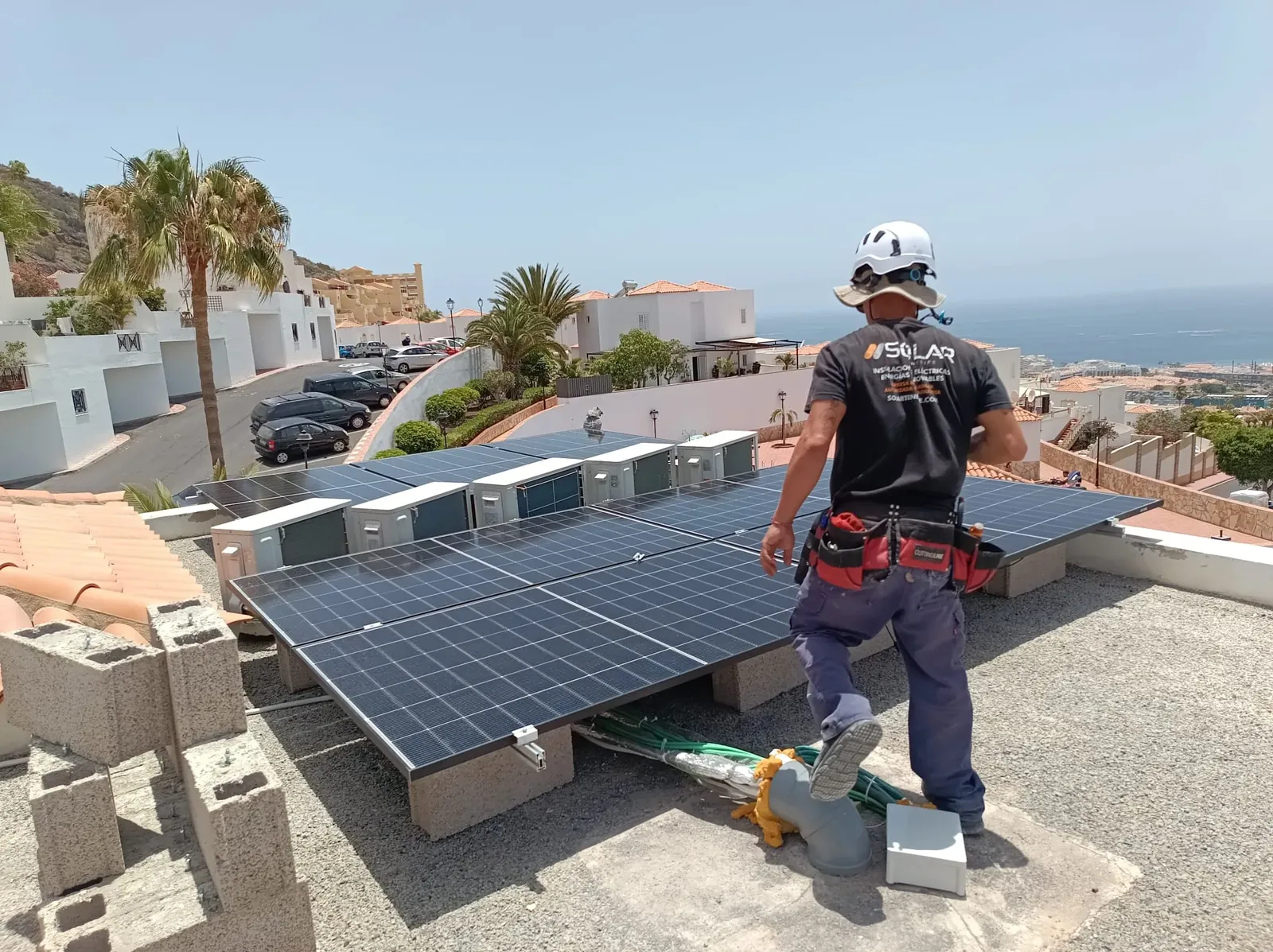
A solar installation can continue producing energy for many years, but that does not mean it should be forgotten. Checking the system helps identify minor issues before they affect performance or safety.
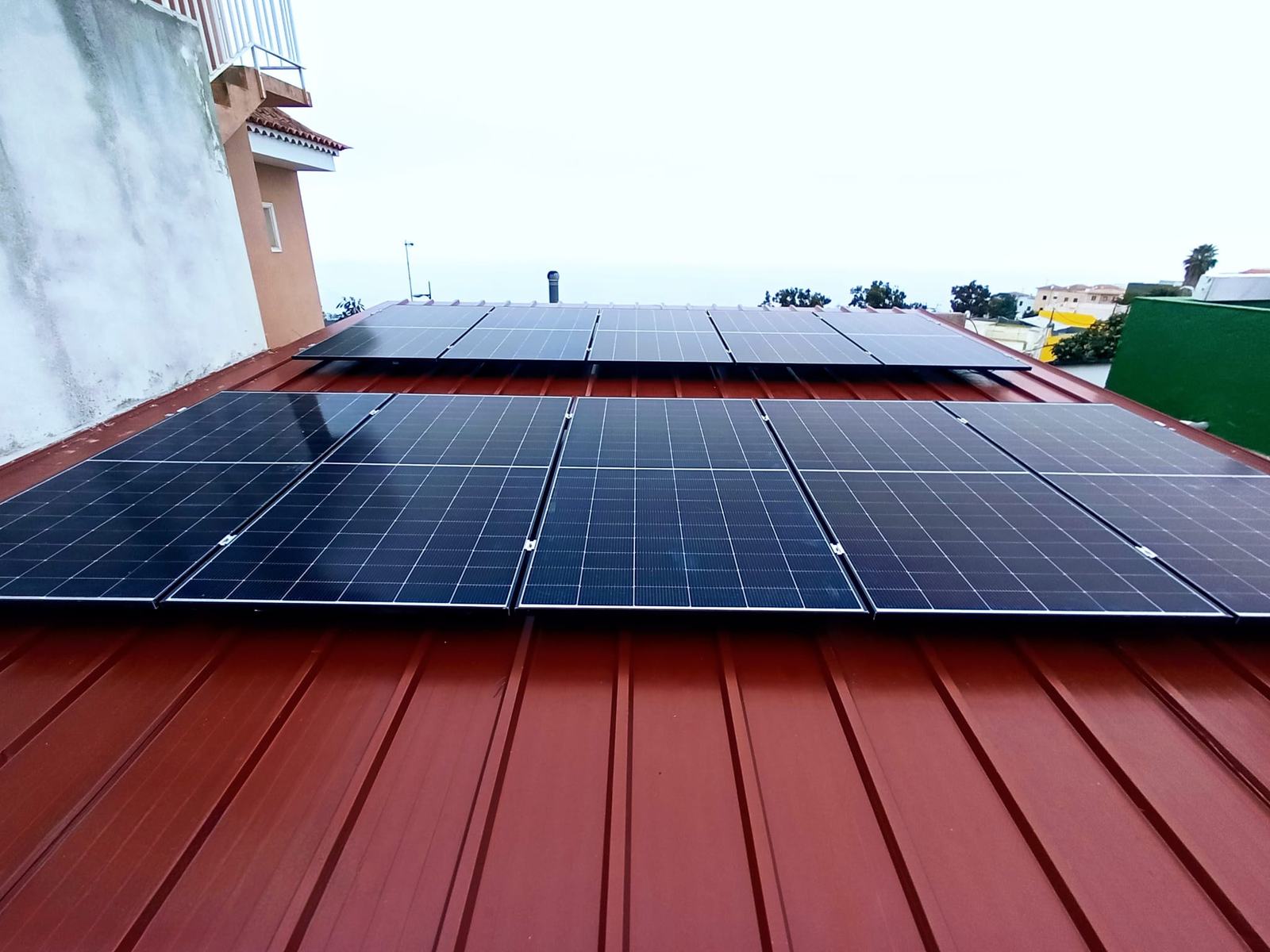
In Tenerife, dust, salt exposure in some areas and roof conditions can also accelerate certain types of wear or soiling.
What to check during a maintenance visit
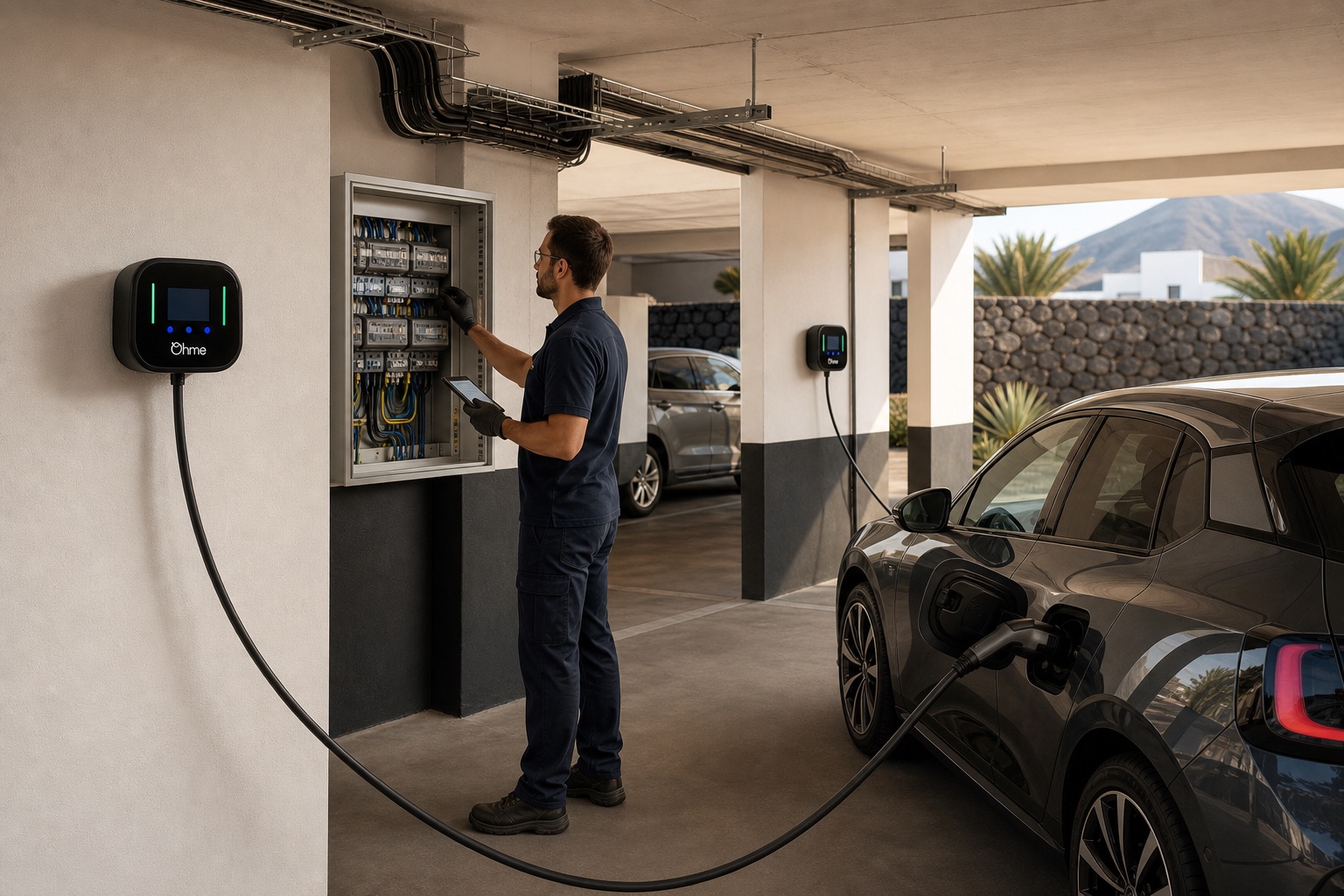
It is usually useful to inspect the structure, fixings, visible cabling, protection devices, inverter condition, system warnings and overall generation performance. In some cases, it is also worth reviewing consumption and whether the system still matches the actual use of the home or business.
Where batteries are installed, settings, ventilation and available equipment logs should also be checked.
Cleaning, monitoring and minor adjustments
Not every installation needs cleaning at the same frequency, but the level of dirt and whether it is affecting production should be assessed. Monitoring helps identify abnormal drops or differences from expected performance.
Maintenance often involves small adjustments that improve stability, data readings and the customer's peace of mind, rather than a major repair.
When an additional inspection is worthwhile
After strong winds, roof renovations, electrical extensions or major changes in consumption, checking the system can be highly advisable. The same applies when production appears lower or warnings appear on the inverter.
Frequently asked questions
How often should a solar installation be checked?
It depends on use, surroundings and the system, but regular checks help detect issues before they grow.
Does dirt always reduce generation significantly?
Not always to the same extent, but it can affect performance. This should be assessed according to the location and actual level of dirt.
Can you inspect systems you did not install?
Yes, as long as the installation is accessible and a proper technical assessment can be carried out.