Focusing only on the number of panels
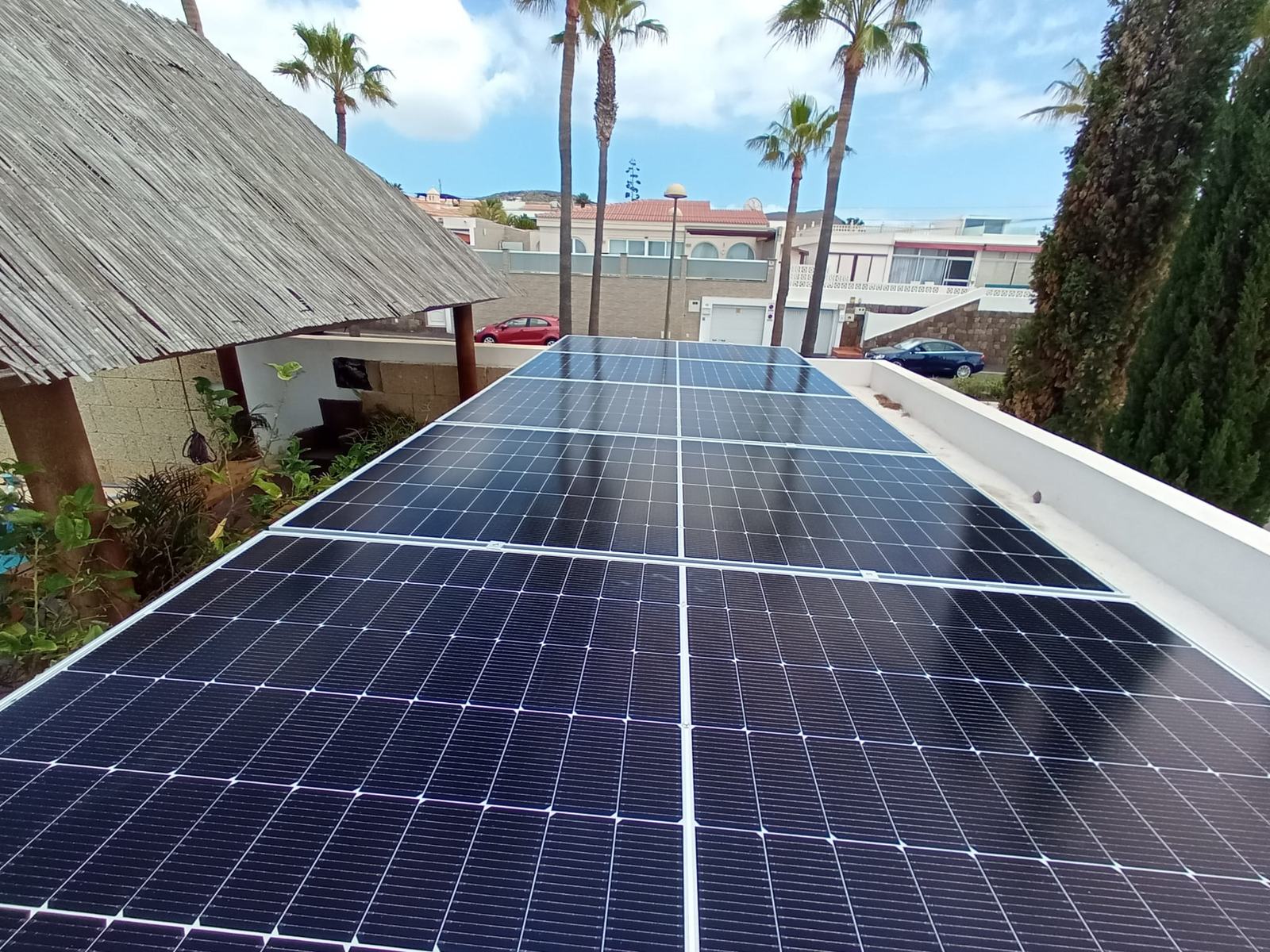
One of the most common mistakes is reducing everything to how many panels fit on the roof. Correct design depends on consumption, the inverter, orientation, shading and how the home or business is actually used.
Ignoring these factors can result in an unbalanced installation or unrealistic expectations of savings.
Overlooking significant future loads
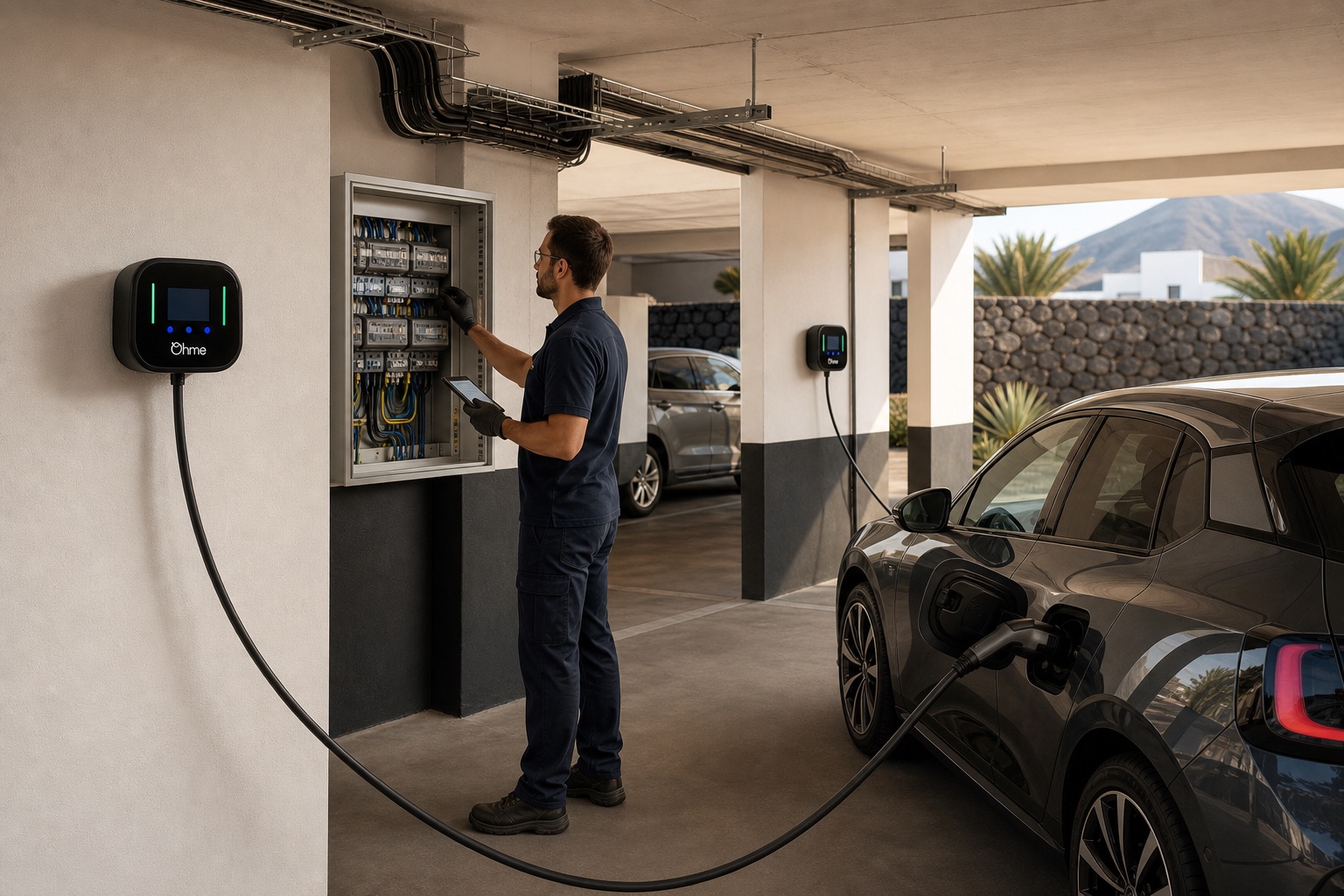
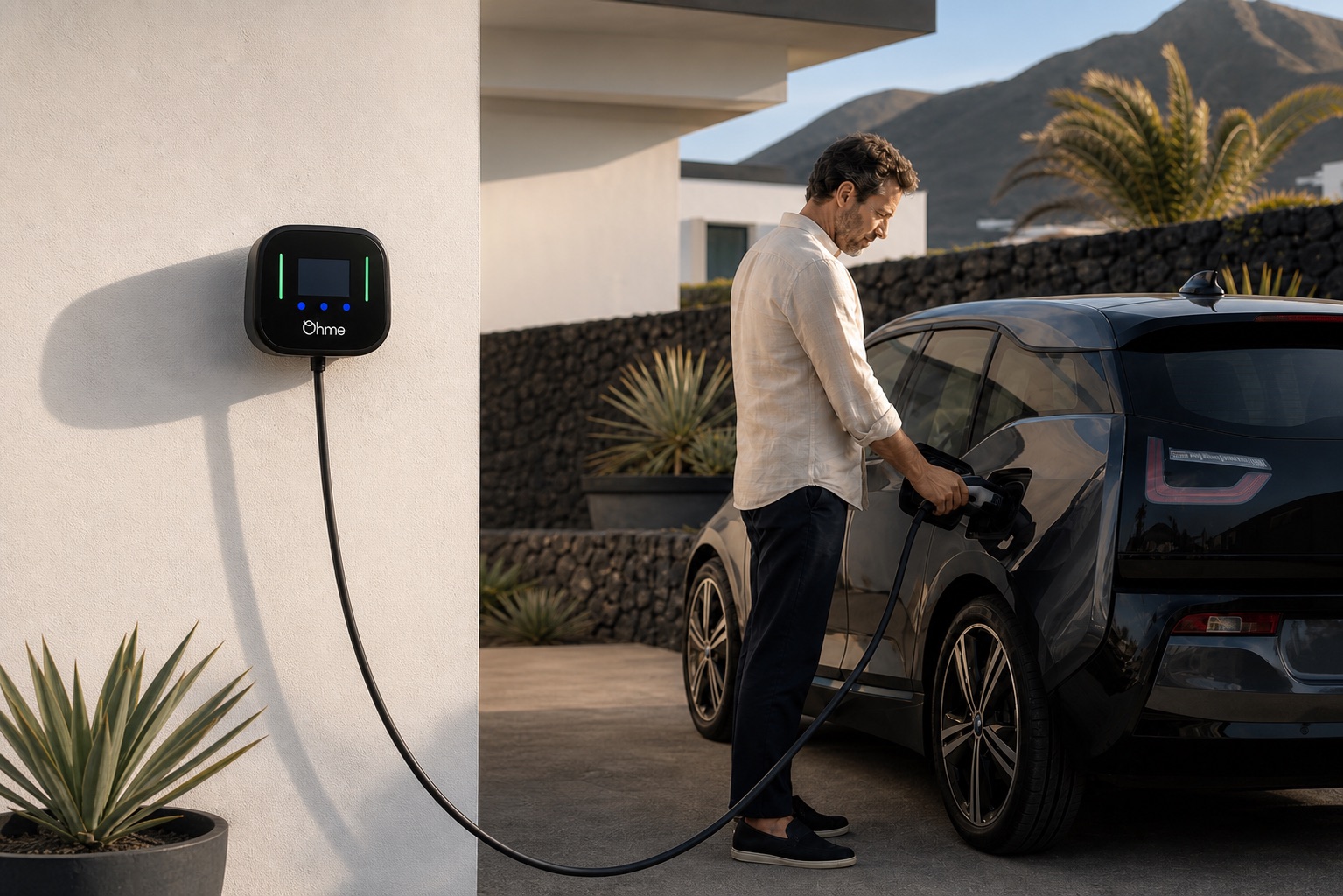
If heating and cooling equipment, a water heater, an EV charger or a change of use is added later, an installation that seemed sufficient may no longer be adequate. That is why it is useful to discuss reasonable medium-term expectations from the outset.
It does not always mean installing more from day one, but it does mean setting out a coherent strategy.
Failing to assess the installation environment properly
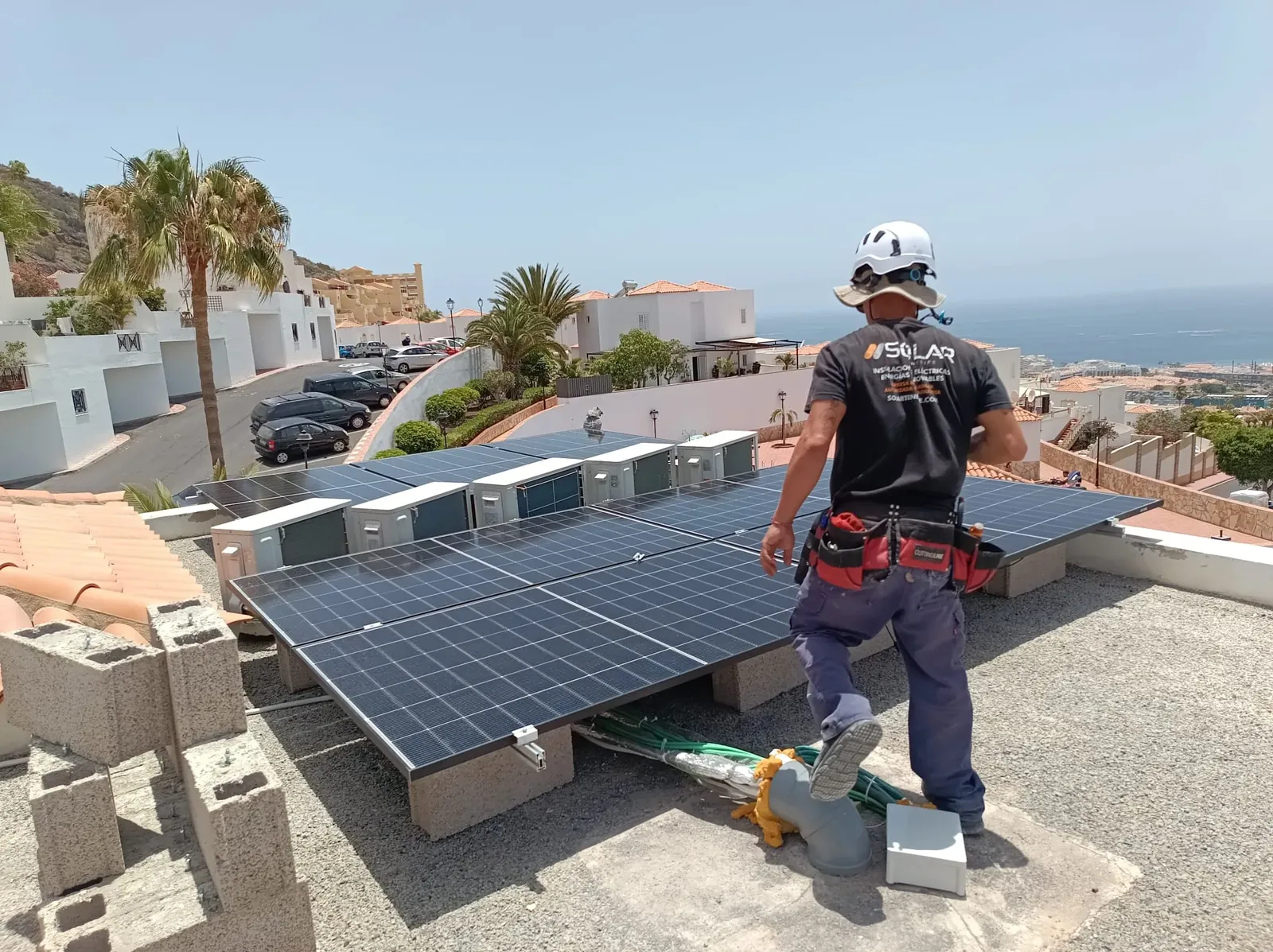
Partial shading, a complex roof, a long cable run, visual restrictions or distant distribution boards influence the final proposal much more than might be expected. Correct sizing is a technical exercise, not just a numerical one.
Installation quality, inverter selection and ease of future maintenance also matter.
How to plan a more balanced installation
The best way to make the right choice is to review consumption, objectives, the property and expected future expansion. From there, you can decide whether to install solar only, prepare for a battery or leave room for other equipment.
Frequently asked questions
Do more panels always mean a better installation?
No. What matters is that the system is properly matched to consumption and the property’s actual conditions.
Should I think about the electric car from the outset?
Yes, if it is a realistic possibility in the short or medium term.
Can a solar installation be expanded later?
Often, yes, but it should be properly planned from the initial design stage.