Home automation is about more than comfort
Automating lighting, blinds, heating and cooling or usage scenes can improve comfort, while also helping to control consumption and use energy more thoughtfully. This is particularly useful when a home combines heating and cooling, a water heater and solar PV.
The key is to automate what offers real value, without making everyday life more complicated with unnecessary functions.
Which automations usually make the most sense
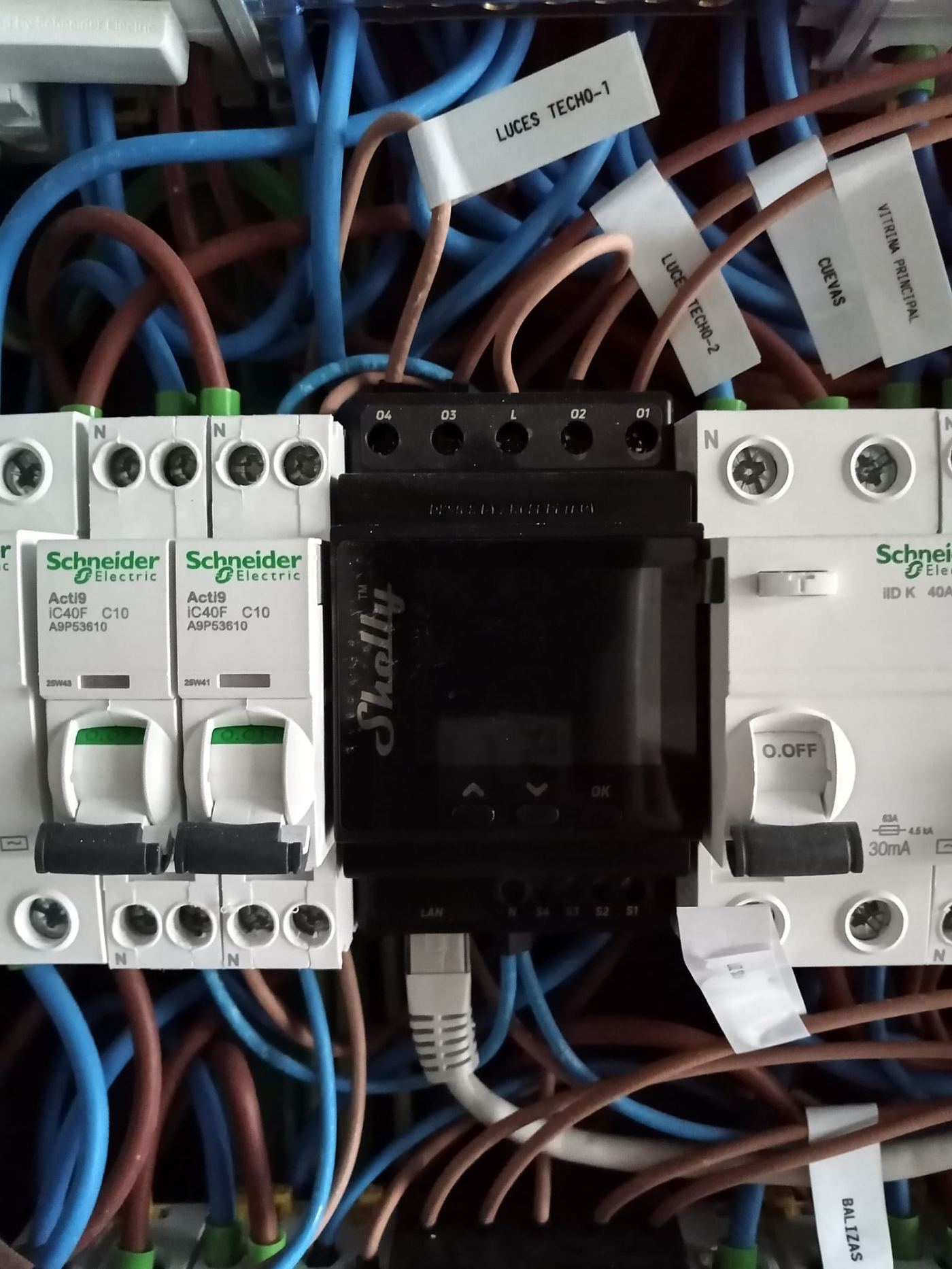
Scheduled switching, all-off control, remote control, occupancy simulation scenes, timed heating and cooling, and sensor integration are often among the most useful options in a home.
When solar energy or an electric vehicle is also involved, coordinating loads or scheduling certain uses for more suitable time periods may be worthwhile.
How to avoid an inconvenient or unintuitive installation
A good smart home system should be easy for everyone in the home to understand. It is therefore worth clearly defining what is controlled, from where and what happens if the Internet fails or the home's normal use changes.
The system design and final explanation to the customer are almost as important as the technical work.
Scalable smart home systems: start with what matters
You do not need to automate the entire home from day one. In many cases, it makes more sense to start with lighting, heating and cooling or access control, while allowing for possible future expansion.
Frequently asked questions
Do smart home systems make everyday use more complicated?
It should not. When properly planned, smart home technology simplifies tasks and keeps operation clear at all times.
Can it be integrated with a solar installation?
Yes, in many cases consumption can be coordinated better through scenes or automations.
Is it suitable for a second home?
Yes. Remote control and certain automations can be particularly useful in this type of property.