The battery is not always the first decision
In some projects, a battery is a very good fit from the outset, while in others the most sensible approach is to start with a well-designed solar installation and monitor consumption before expanding.
The decision depends on habits, schedules, energy independence goals and the available budget.
Cases where it may make more sense
It is usually more attractive when a substantial share of consumption occurs in the late afternoon and evening, when greater autonomy is sought or when the aim is to make better use of the energy generated by the installation.
It can also be useful in homes with relatively stable consumption and a clear aim to optimise self-consumption.
What to check before deciding
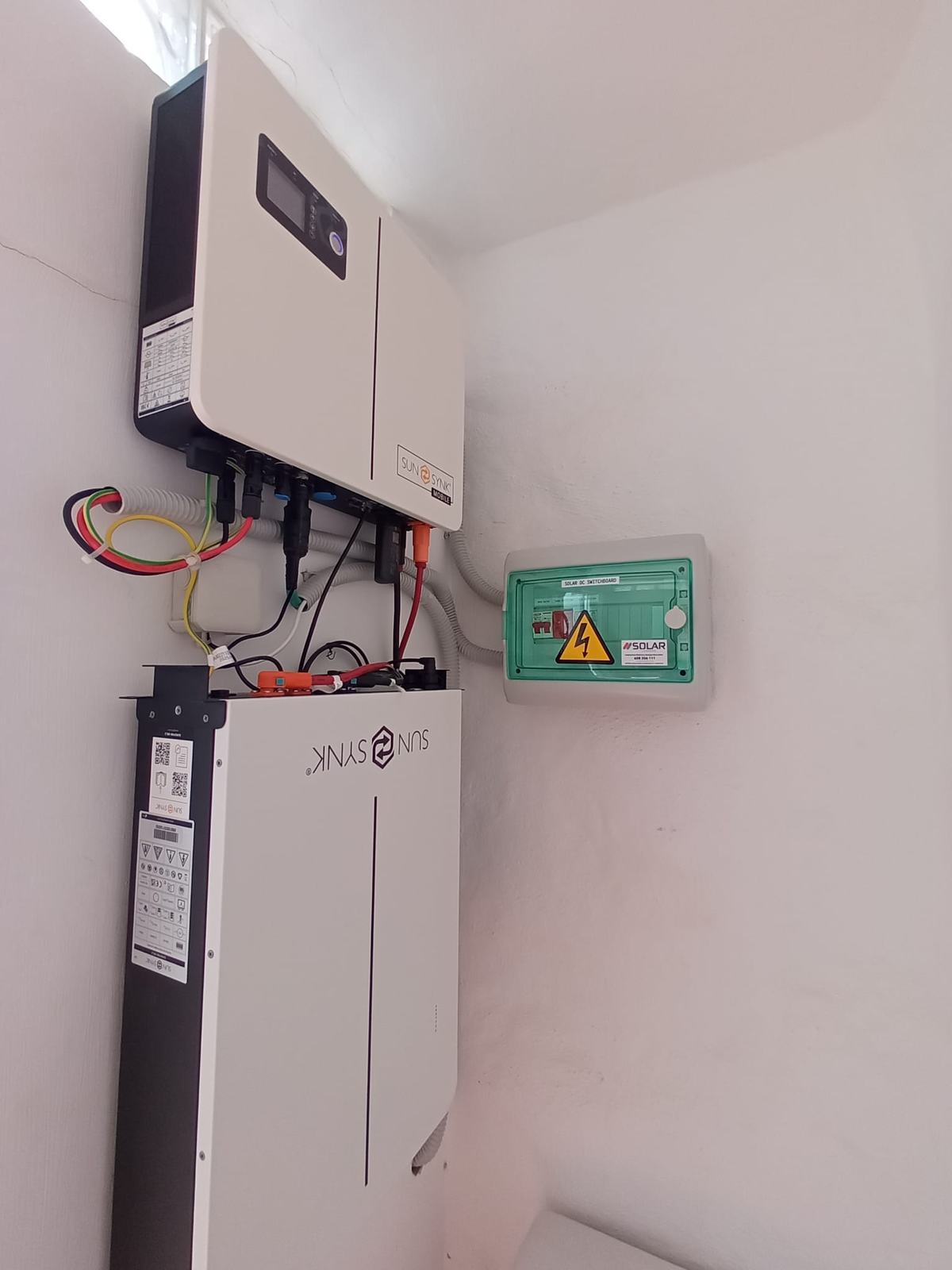
Capacity, inverter compatibility, available space, ventilation and the intended operating strategy are key considerations. The battery should be part of a coherent proposal, rather than an addition driven by fashion.
It is also worth considering whether the user clearly understands how they want to use it and what they expect from it.
Install now or prepare for later
In many cases, it is sufficient to prepare the system for a future battery. This preserves flexibility and avoids oversizing the investment if the actual consumption pattern is not yet clear.
Frequently asked questions
Can every solar installation accept a battery?
Not necessarily in the same way. It depends on the inverter and the system’s technical design.
Does a battery always increase savings significantly?
Not always. Its usefulness depends heavily on consumption times and how the home or business is actually used.
Can it be added later?
Often, yes, if the installation was designed with that option in mind.