The most common signs
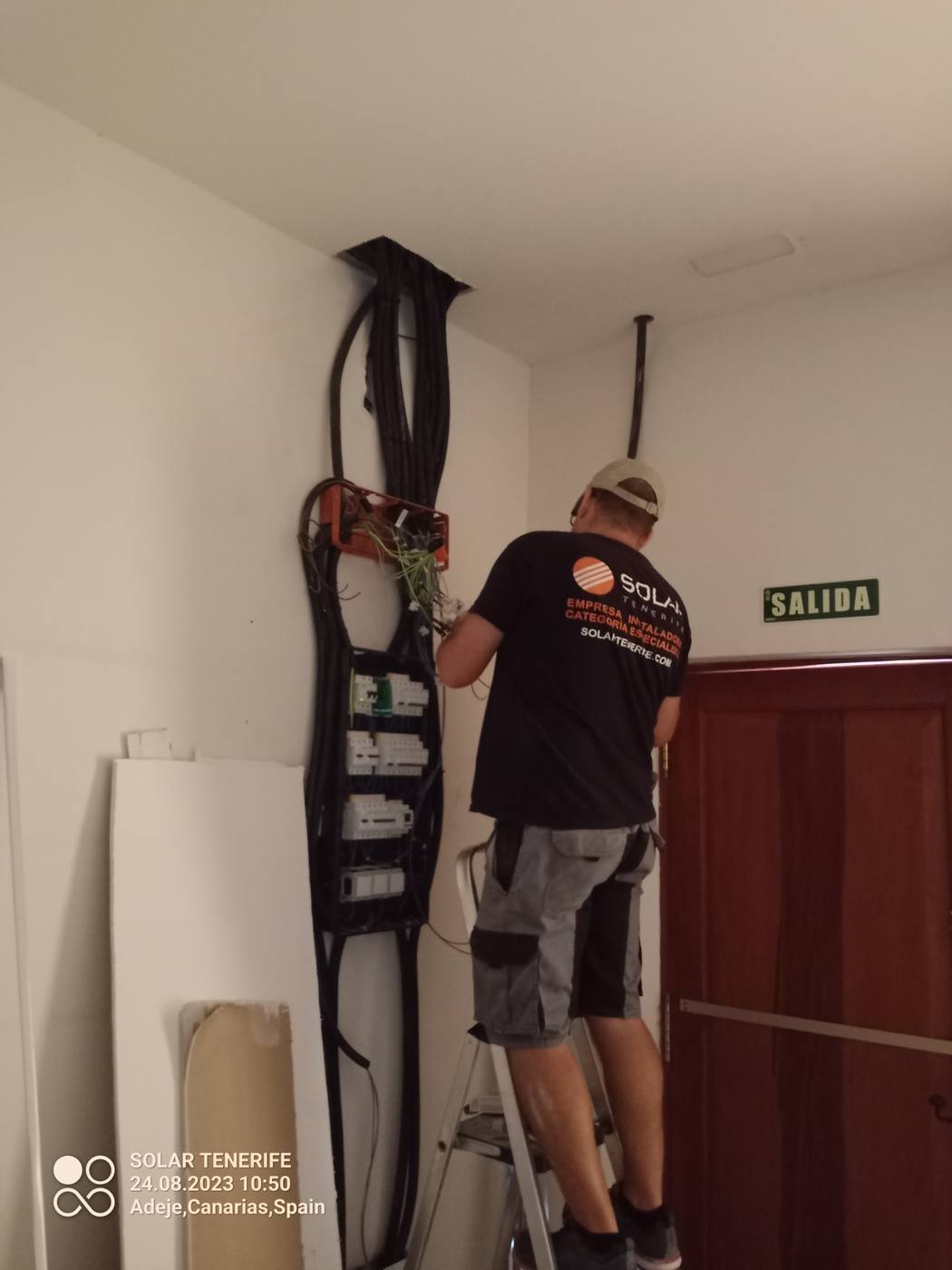
When circuit breakers trip frequently, sockets or switches get hot, lights flicker or the installation seems to be struggling, it is usually time for a thorough inspection of the system.
It is also common to find homes with old consumer units, few circuits or electrical layouts designed for much lower consumption than today.
What to check in a home or commercial property
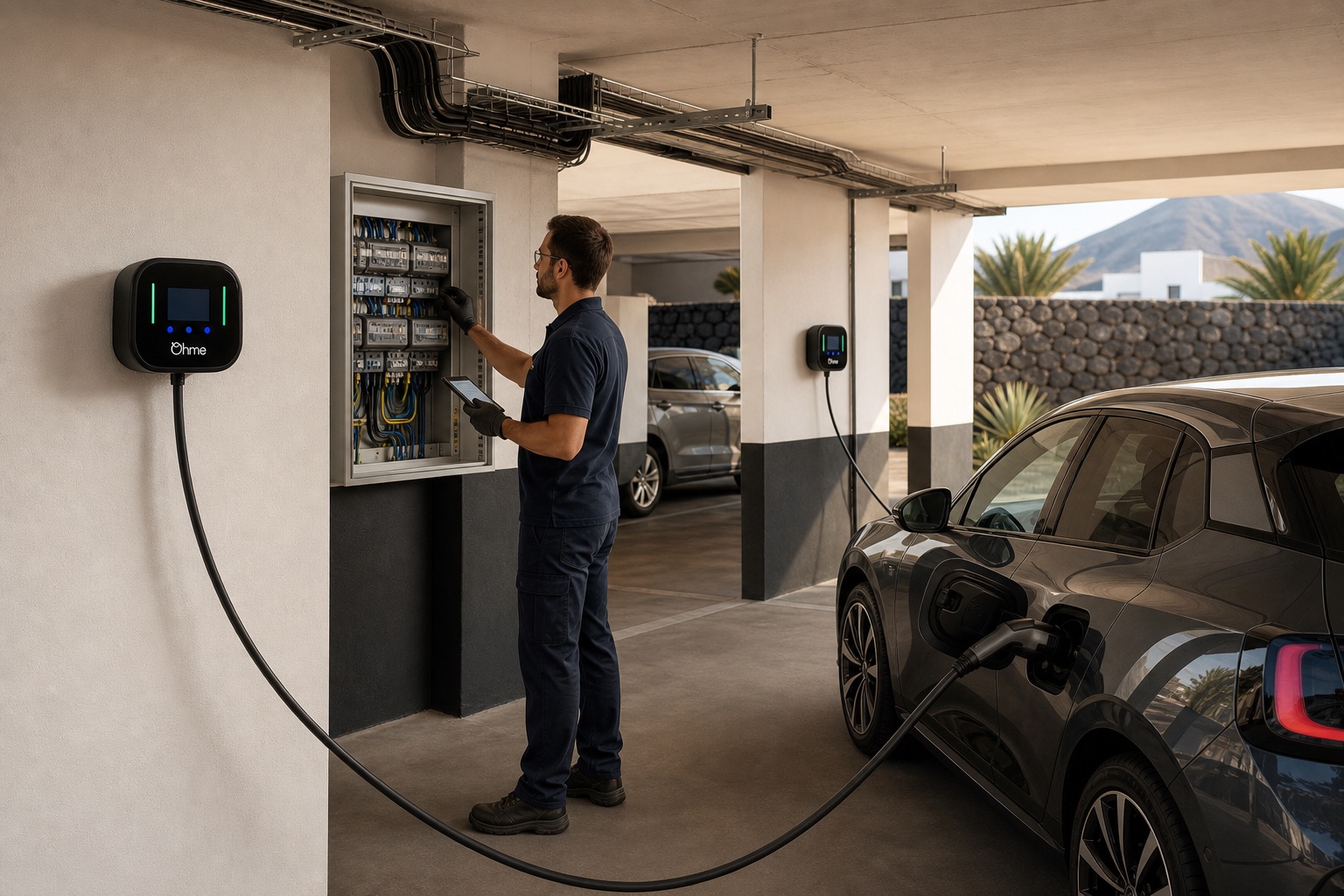
Age is not the only factor. The distribution board, protective devices, wiring, earthing and available power must be assessed, along with how well the installation meets the property’s actual usage needs.
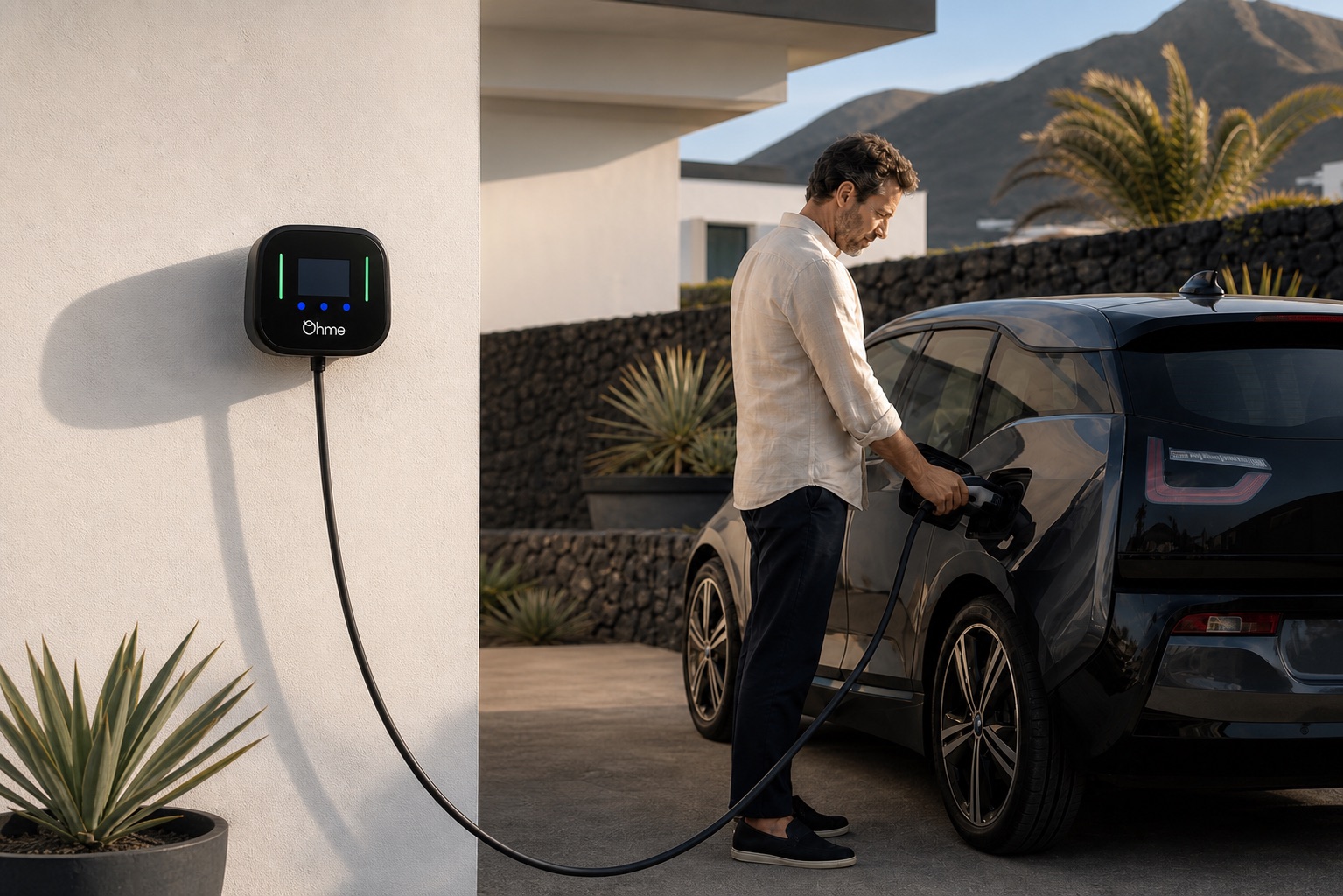
In many renovations, updating the electrical installation prevents later problems and leaves the home better prepared for the kitchen, heating and cooling, a water heater, EV charger or smart home systems.
Renovating in time prevents faults and duplicated work
Waiting for a major fault to appear usually works out worse than acting in time. A well-planned renovation improves safety, organisation and everyday convenience.
It also allows the installation to be adapted to current needs without last-minute improvisation.
Frequently asked questions
Is a complete refurbishment always necessary?
Not always. In some cases, updating the consumer unit, protection devices or some circuits is enough.
When should the installation be checked?
Before a renovation, when buying an older home or if recurring faults appear.
Can it be prepared for future improvements?
Yes. It is often the best time to plan for an EV charger, smart home systems or new loads.