Start with what has the greatest effect on consumption
Improving energy efficiency does not always require major building work. Often, it involves reviewing the existing installation and identifying where action makes most sense: lighting, heating and cooling, usage habits or high-consumption equipment.
Understanding how the home is actually used helps you invest more wisely.
Small improvements that make a big difference
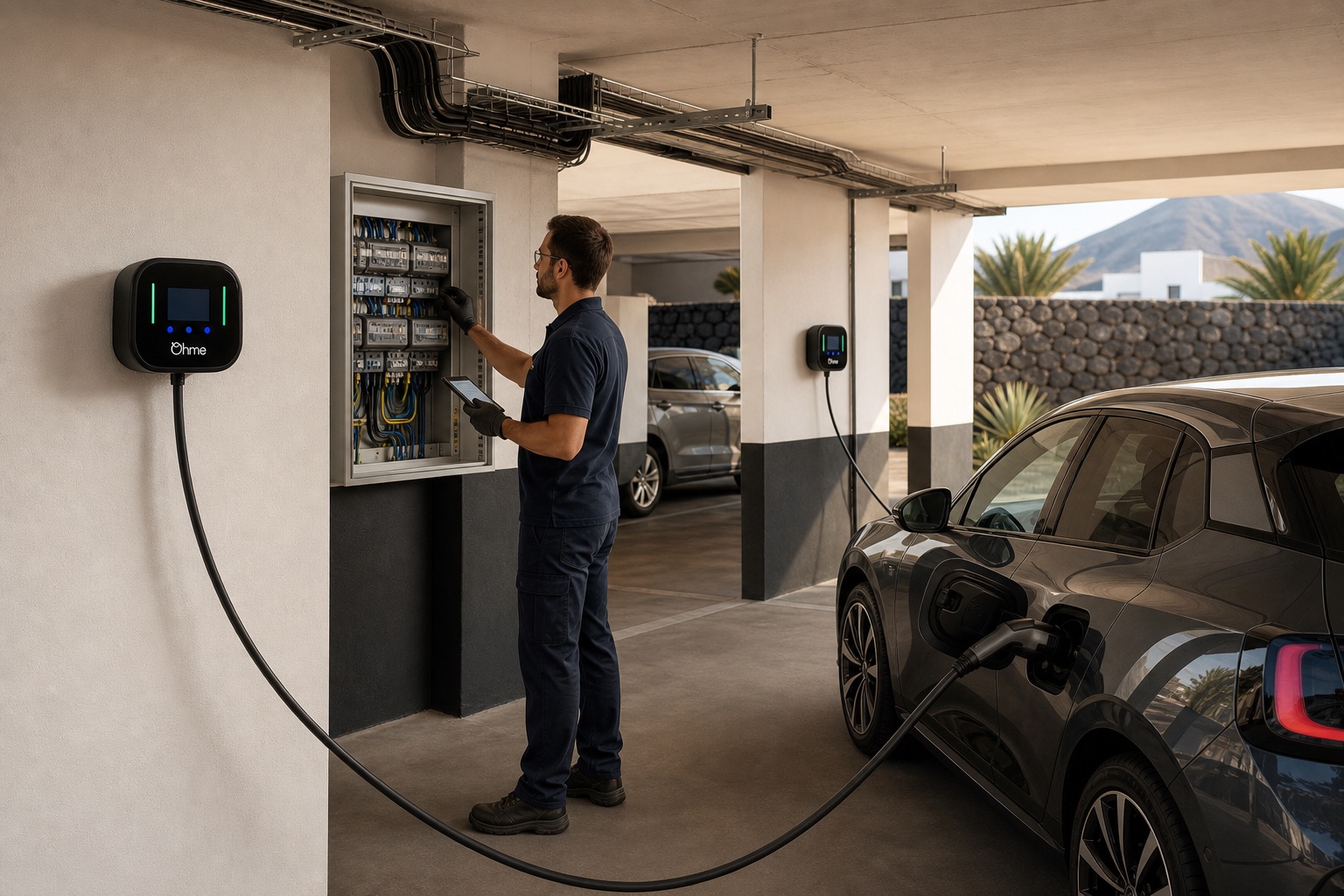
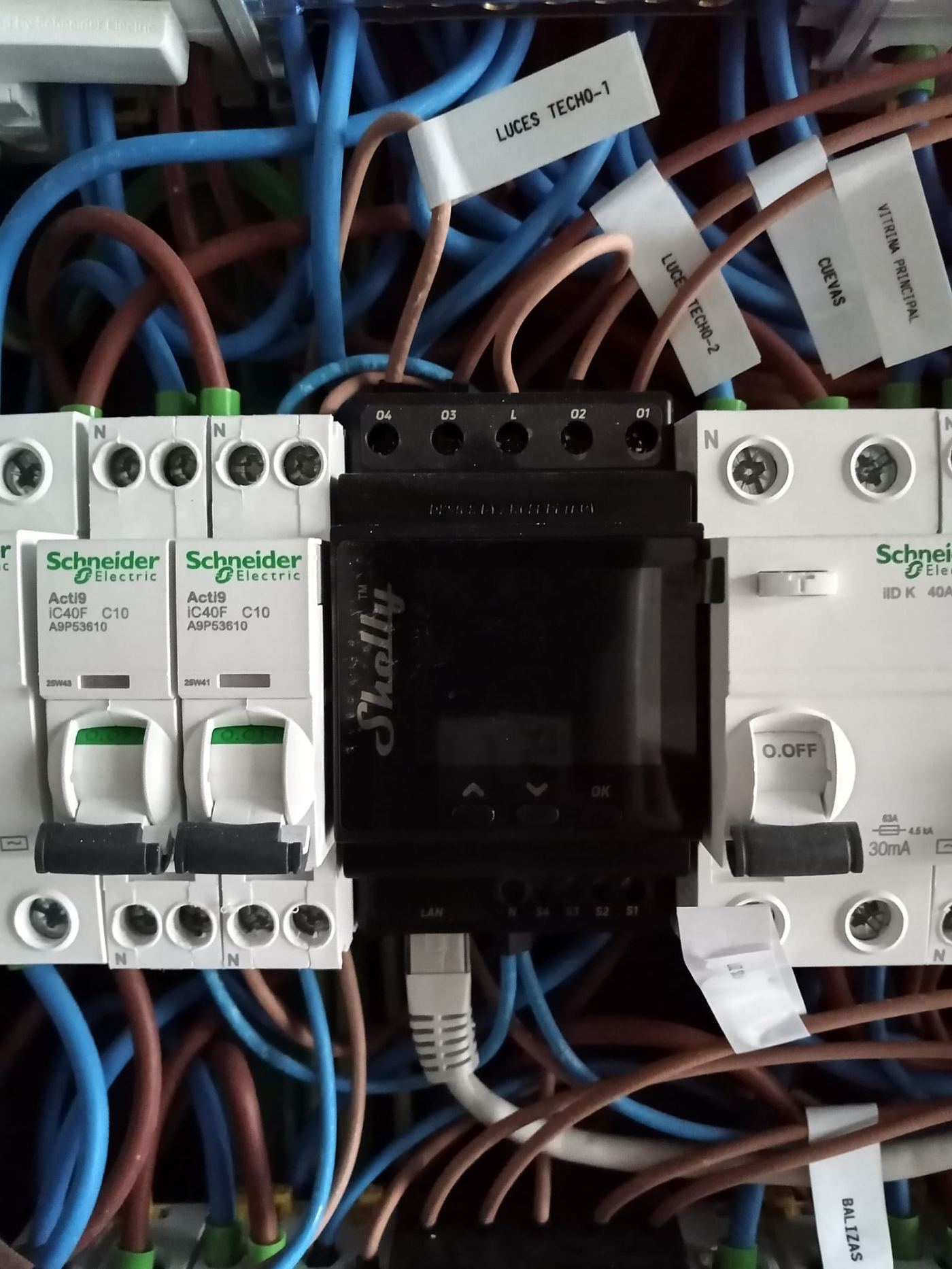
A more efficient lighting layout, heating and cooling control, automation of certain uses or a consumer unit inspection can make a significant difference to comfort and consumption.
Home automation is particularly useful when designed around genuinely practical functions.
When solar energy enters the equation
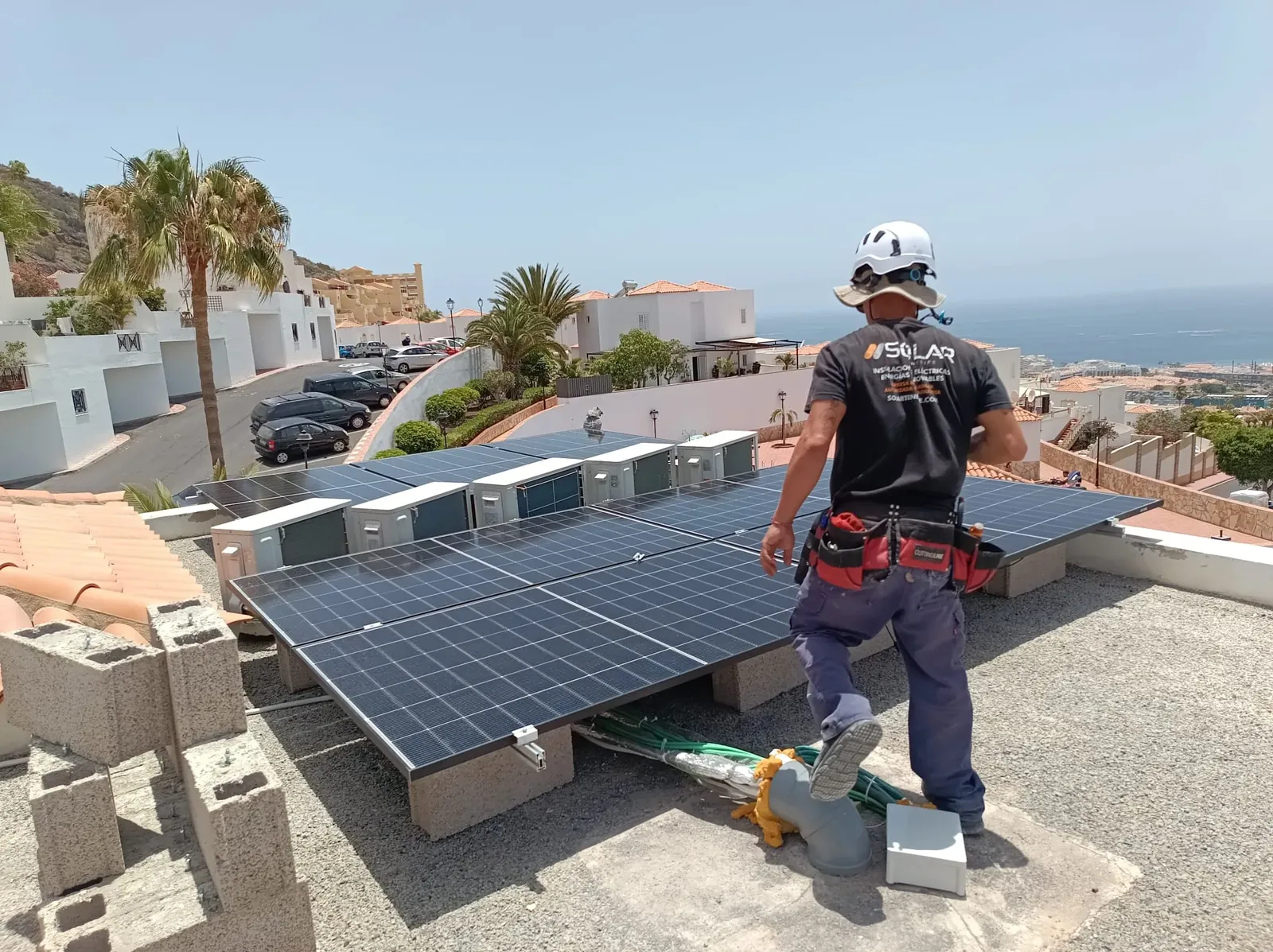
In homes with suitable conditions, a solar installation can complement an efficiency strategy very well. What matters is that all the improvements work together and suit how the property is actually used.
This creates a more comfortable home that makes better use of its features and is better prepared for the future.
Frequently asked questions
Is a major refurbishment needed to improve efficiency?
Not always. Many improvements can be made gradually.
Do smart home systems help save money?
Yes, when it is applied to useful, carefully planned functions.
Should the installation be checked first?
Yes, it provides a good basis for deciding which improvements make the most sense.