Two common formats for home EV charging
When choosing a charger, it is common to wonder whether to opt for a unit with an integrated cable or a socket. Both solutions can work very well, but they do not suit every use equally.
That is why it is worth considering everyday convenience, vehicle type, installation location and the user's preferences.
When a tethered charger is usually more convenient
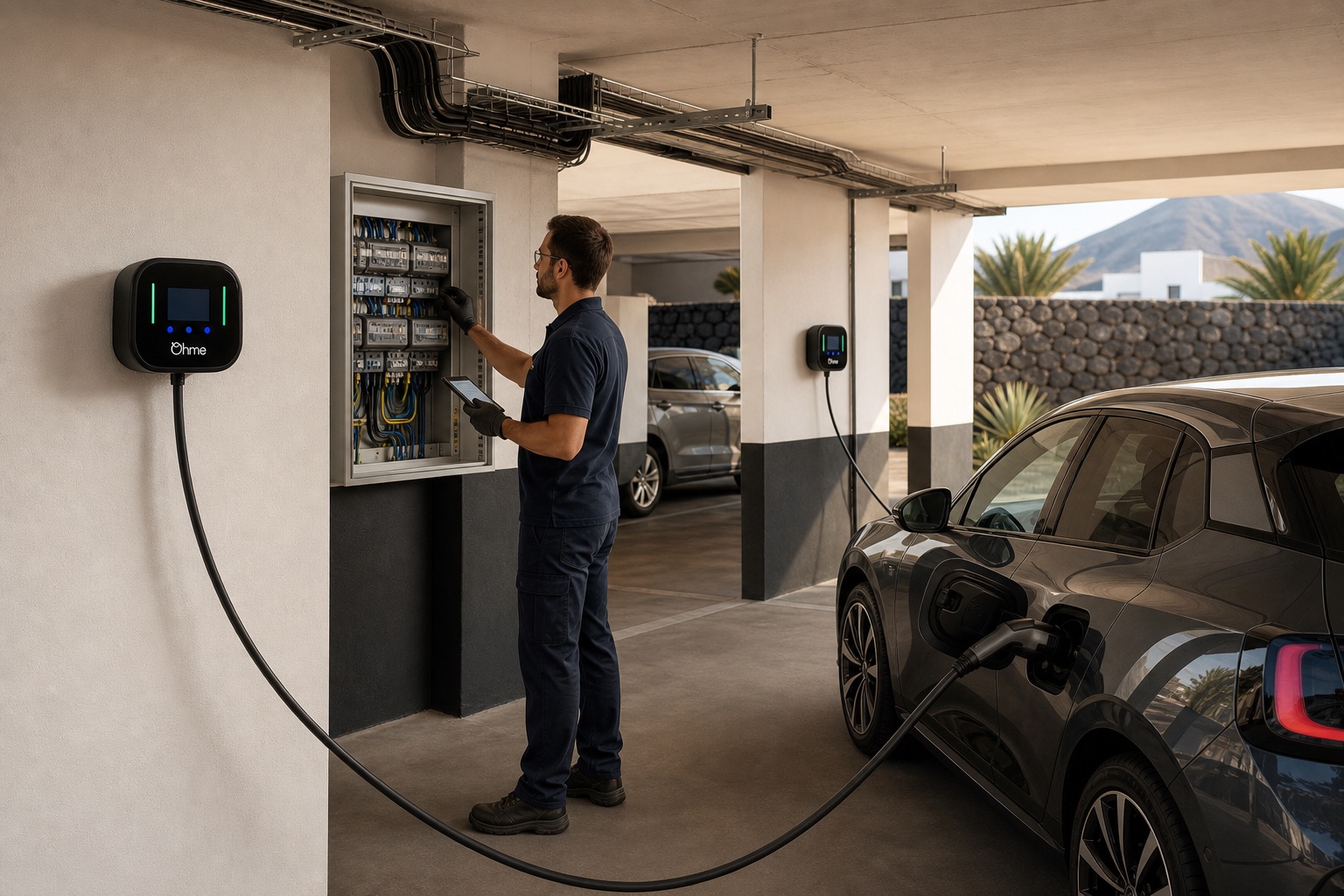
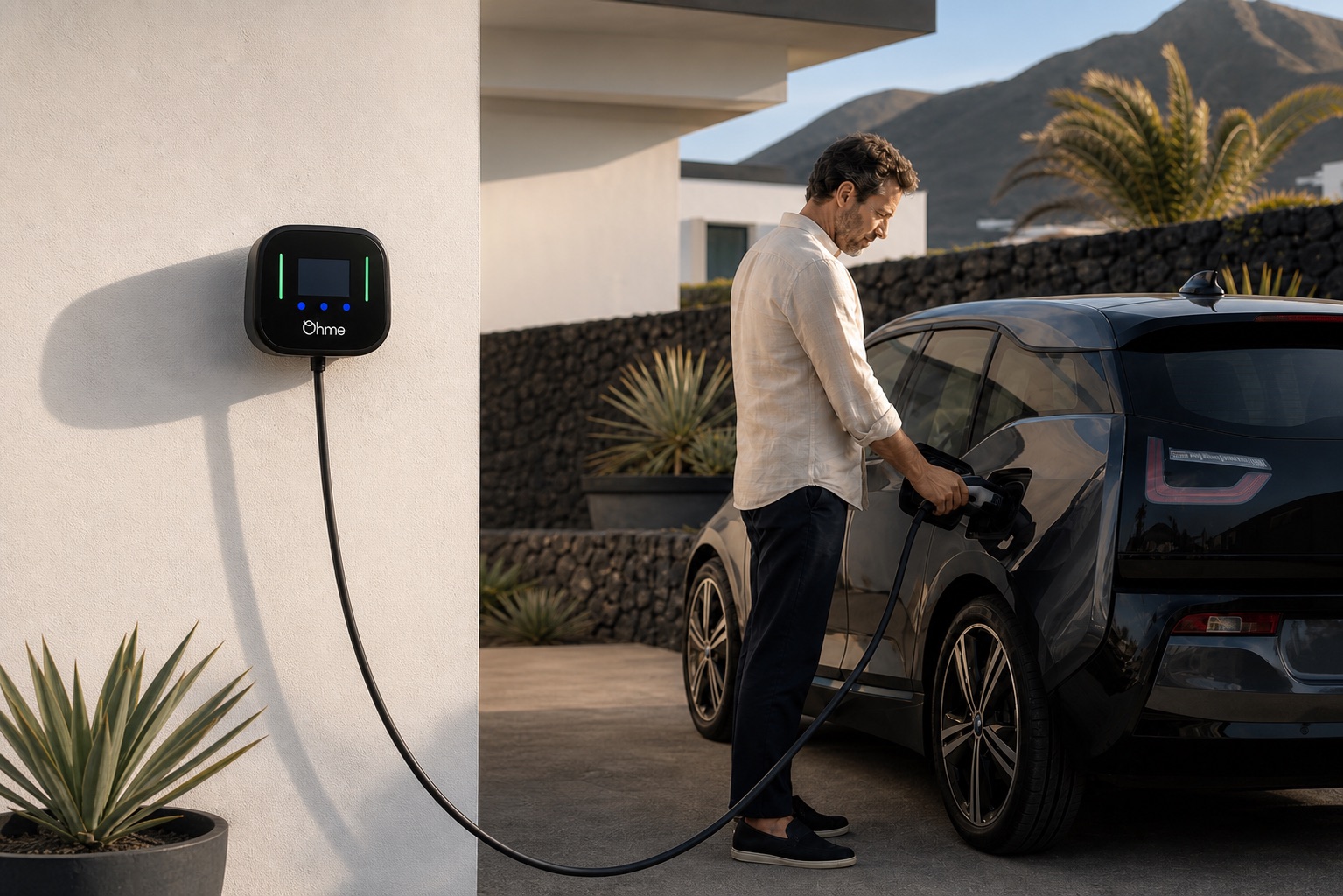
A tethered cable makes day-to-day charging quick and easy. It is a very practical solution for a main residence, especially when the car is plugged in frequently and ease of use matters.
It also helps simplify the user experience if the same vehicle, or a very small number of vehicles, will always be charged.
When a socket charger may be more suitable
A socketed charger offers greater flexibility when different vehicles may be charged or when the user prefers to manage their own cable. It can also be appealing for aesthetic reasons or a particular way of using it.
However, everyday convenience will depend considerably on how the car is actually used.
The right choice depends on actual use
Rather than seeking a universal answer, decide according to charging habits, the number of users and how you want the equipment to fit into your parking space or home.
Frequently asked questions
Does one of the two charge faster?
Charging speed depends more on the charging configuration and the vehicle than on whether the charger is tethered or has a socket.
Is an integrated cable more convenient?
For many users, yes, particularly in their main home.
Can I choose the format and still have app control?
Yes. There are models of both types with smart functions and scheduling.